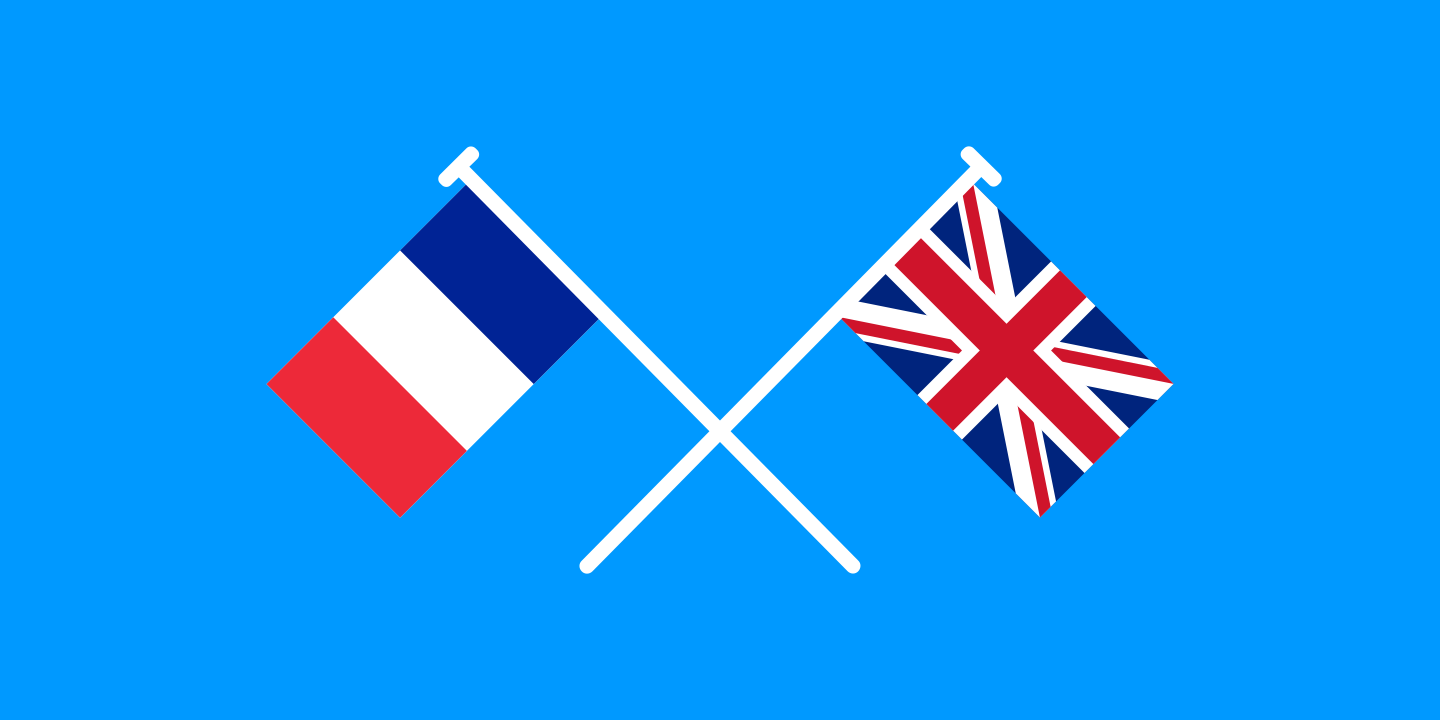
Joint Anglo-French Condominium in Vanuatu: Strategic, Complex Governance System with Lasting Impacts.
Vanuatu
Political
Colonialism
4 min read
Updated By: History Editorial Network (HEN)
Published:
Updated:
France and the United Kingdom entered into an arrangement to jointly administer the New Hebrides, now known as Vanuatu, through the establishment of the Anglo-French Condominium. This decision emerged from the strategic significance of the archipelago in the South Pacific, as both colonial powers sought to secure their interests while avoiding conflict. The dual system of governance implemented under this condominium was characterized by the establishment of parallel administrative structures.
In this framework, both nations maintained their legal and court systems, with French and British citizens subject to their respective laws. Additionally, the indigenous Melanesian population was governed under joint regulations. This bifurcated administration resulted in complexities, as each power had its representatives and procedures operating concurrently within the same territory.
Economically, the dual system facilitated the continued presence of both British and French commercial enterprises, contributing to the development of infrastructure and trade in the region. The governance model also led to the construction of separate educational and medical facilities, creating a unique environment of cultural and administrative intersection.
The unique condominium arrangement had long-term impacts on the political evolution of Vanuatu. It fostered a diverse cultural legacy and laid the groundwork for the eventual emergence of a unified identity leading up to the independence movement. The Anglo-French Condominium, while designed to prevent colonial rivalry, highlighted the complexities inherent in dual colonial governance systems.
#VanuatuHistory #AngloFrenchCondominium #ColonialGovernance #MoofLife

Explore the Life Moments of
 AI Twin