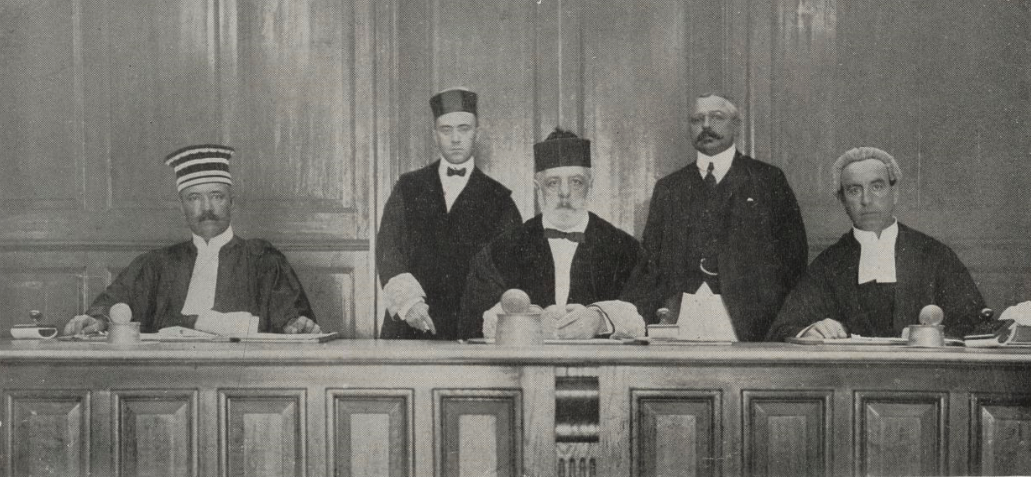
Anglo-French Protocol enhances governance in New Hebrides (Vanuatu) during WWI, addressing administrative challenges.
Vanuatu
Political
Global Trade
4 min read
Updated By: History Editorial Network (HEN)
Published:
Updated:
The Anglo-French Protocol extended the condominium's authority over the New Hebrides, which is known today as Vanuatu. The event took place during the early phase of World War I, reflecting the need for clearer governance in the region shared by British and French administrations. The condominium, established through earlier agreements, had resulted in a complex dual system where both nations exercised joint control. However, administrative challenges and local resistance underscored the necessity for more streamlined governance.
The protocol aimed to enhance this joint administrative framework, providing a more coherent structure for managing law, order, and economic activities. This effort was crucial as the region held strategic importance for both colonial powers, particularly in light of broader imperialist ambitions during the ongoing global conflict. The formal governance adjustments under the protocol had to wait for completion until ratified later.
The New Hebrides saw these changes ripple through various facets of society. Economically, it promised better regulation of industries like copra production, vital to both local livelihoods and colonial revenue. Socially, the protocol intended to create a more predictable legal environment for the populace, including both native residents and expatriate settlers. Politically, it symbolized tighter colonial grip and highlighted the ongoing imperial contest between Britain and France in the Pacific.
Even though not immediately enacted, the groundwork laid by the protocol would influence subsequent colonial administration policies leading up to and beyond the eventual ratification.
#ColonialHistory #Vanuatu #AngloFrenchRelations #Imperialism #HistoricalImpact #MoofLife

Explore the Life Moments of
 AI Twin