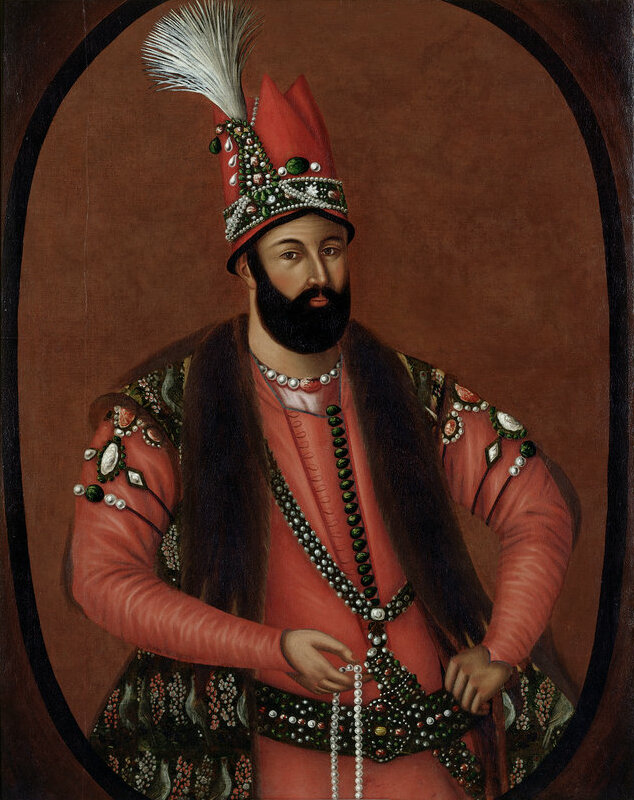
Uzbek Khanates Become Vassals of Nader Shah
Uzbekistan
Central Asian History
Colonialism and Imperialism
Economic Development
3 min read
Updated By: History Editorial Network (HEN)
Published:
Updated:
Between 1729 and 1741, Nader Shah of Persia successfully established control over the Uzbek Khanates, transforming them into vassal states. This period marked a significant shift in the political landscape of Central Asia. In the early nineteenth century, the three prominent Uzbek khanates—Bukhara, Khiva, and Quqon (Kokand)—experienced a brief resurgence, regaining some degree of autonomy and influence. However, this recovery was short-lived as the mid-nineteenth century saw the rise of Russian imperial ambitions in the region. Attracted by the commercial potential of Central Asia, particularly its lucrative cotton production, Russia initiated a full military conquest. By 1876, all three khanates were incorporated into the Russian Empire, albeit with limited autonomy granted to them. This incorporation led to an increase in the Russian population in Uzbekistan and spurred some industrialization in the region, fundamentally altering its economic and social fabric. The legacy of this period continues to influence Uzbekistan's historical trajectory and its relationship with neighboring powers.
#mooflife
#MomentOfLife
#UzbekKhanates
#NaderShah
#RussianEmpire
#CentralAsia
#BukharaKhivaKokand

Explore the Life Moments of
 AI Twin