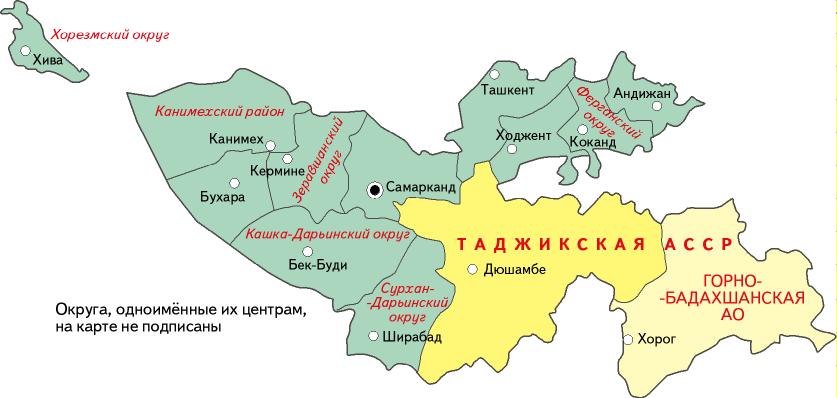
Formation of the Uzbek Soviet Socialist Republic Through Delimitation Processes
Uzbekistan
Political Science
Soviet Union
3 min read
Updated By: History Editorial Network (HEN)
Published:
Updated:
In 1924, the Uzbek Soviet Socialist Republic was established as an independent republic within the Soviet Union, marking a significant moment in the history of Central Asia. This formation was part of a broader national delimitation process that aimed to reorganize the administrative boundaries of various ethnic groups within the Soviet Union. The establishment of the Uzbek SSR recognized the distinct cultural and historical identity of the Uzbek people, providing them with a degree of autonomy under the Soviet regime. The republic was characterized by its rich cultural heritage, which included a blend of Turkic, Persian, and Russian influences. Over the years, the Uzbek SSR played a crucial role in the economic and political landscape of the Soviet Union, contributing to agriculture, cotton production, and the arts. Following the dissolution of the Soviet Union in 1991, the Uzbek SSR declared its independence, transforming into the Republic of Uzbekistan. This transition marked a new chapter in the nation's history, as it sought to establish its sovereignty and develop its national identity in the post-Soviet era. The legacy of the Uzbek SSR continues to influence Uzbekistan's political, social, and cultural dynamics today.
#mooflife
#MomentOfLife
#Uzbekistan
#SovietUnion
#UzbekSovietSocialistRepublic
#CentralAsia
#Independence

Explore the Life Moments of
 AI Twin