U.S. Military Operation Absolute Resolve Captures Venezuela’s Leader
Caracas, Venezuela
'%3e%3cg id='c'%3e%3cg id='b'%3e%3cpath id='a' fill='%23fff' d='M0-5v5h3z' transform='rotate(18 0 -5)'/%3e%3cuse xlink:href='%23a' transform='scale(-1 1)'/%3e%3c/g%3e%3cuse xlink:href='%23b' transform='rotate(72)'/%3e%3c/g%3e%3cuse xlink:href='%23b' transform='rotate(-72)'/%3e%3cuse xlink:href='%23c' transform='rotate(144)'/%3e%3c/g%3e%3c/defs%3e%3cpath fill='%23cf142b' d='M0 0h180v120H0z'/%3e%3cpath fill='%2300247d' d='M0 0h180v80H0z'/%3e%3cpath fill='%23fc0' d='M0 0h180v40H0z'/%3e%3cg transform='translate(90 84)'%3e%3cg id='f'%3e%3cg id='e'%3e%3cuse xlink:href='%23d' transform='rotate(10)'/%3e%3cuse xlink:href='%23d' transform='rotate(30)'/%3e%3c/g%3e%3cuse xlink:href='%23e' transform='rotate(40)'/%3e%3c/g%3e%3cuse xlink:href='%23f' transform='rotate(-80)'/%3e%3c/g%3e%3c/svg%3e)
Political
7 min read
Updated By: History Editorial Network (HEN)
Published:
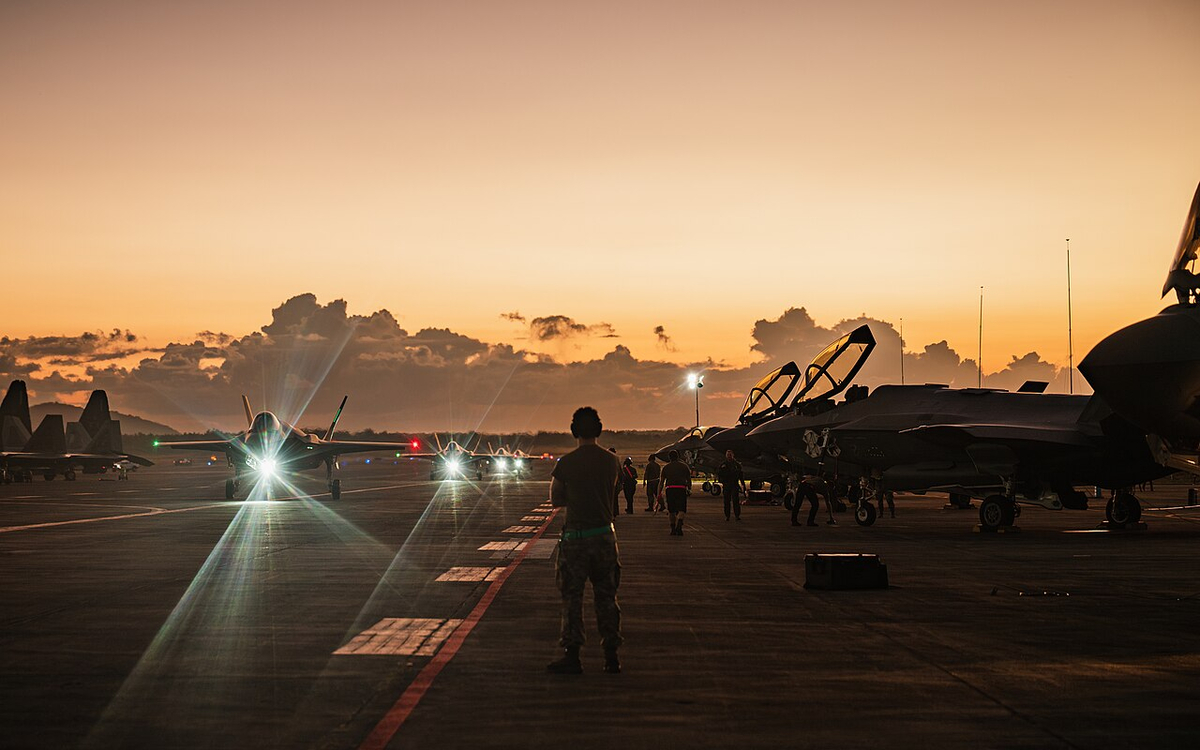
On 3 January 2026, the United States launched a large-scale military strike in Venezuela, known as Operation Absolute Resolve, resulting in the capture of Venezuelan President Nicolás Maduro and his wife Cilia Flores in Caracas. The operation began in the early morning under cover of darkness, involving coordinated strikes against Venezuelan military infrastructure and air defenses, followed by a special forces assault on Maduro’s compound. Explosions and low-flying U.S. aircraft were reported in the capital as part of the effort to seize control of strategic objectives.
U.S. forces, including elite units such as Army Delta Force and aviation support, executed the raid with a focus on tactical surprise. Both Maduro and Flores were taken into custody after resisting, with U.S. military commanders describing the capture as swift once forces reached Maduro’s residence within the Fuerte Tiuna military complex in Caracas. After their capture, they were transported to the U.S. warship USS Iwo Jima and subsequently flown to the United States.
Legal Proceedings & Custody in the United States:
Upon arrival in the U.S., Maduro and Flores were placed in federal detention at the Metropolitan Detention Center in Brooklyn, New York, where they face criminal charges unsealed following their capture. They have pleaded not guilty to federal charges, including narcotics-related and terrorism-linked offenses arising from a superseding indictment that had been prepared before the operation.
Recent legal developments include efforts by Maduro’s defense to challenge aspects of his prosecution, including claims that U.S. actions interfered with his right to legal representation. His legal team has argued that restrictions on payment of his defense fees by the Venezuelan government violate his rights under U.S. law.
Casualties, Transition, and Regional Impact:
Estimates of casualties during the operation vary: Venezuelan authorities reported dozens of security personnel killed, while Cuban officials stated that 32 Cuban military and intelligence personnel died during the strikes. Some civilian casualties were also reported. U.S. officials have stated that American forces suffered no fatalities.
Following Maduro’s removal, Venezuela’s Vice President, Delcy Rodríguez, was sworn in as acting president, assuming constitutional authority in the vacuum left by Maduro’s capture. The transition has been accompanied by significant shifts in Venezuela’s diplomatic and economic posture, including renewed engagement with the U.S. and changes in foreign military presence. Cuban security forces and advisers have been reported leaving Venezuela amid changes under the interim authority.
In diplomatic arenas, the U.S. has defended the operation as advancing regional stability and security cooperation, while several Caribbean and Latin American leaders expressed concern or opposition, highlighting tensions around sovereignty and international law.
Broader Consequences and Developments (to February 2026):
The capture of Maduro marked a dramatic escalation in U.S.–Venezuela relations, drawing comparisons to past U.S. interventions and raising questions under international law. It followed months of U.S. military pressure, including operations against drug trafficking routes in the Caribbean. Regional responses have included both support from some governments and strong criticism from others, with debates ongoing at international forums.
#MaduroCapture
#OperationAbsoluteResolve
#USVenezuela
#InternationalLaw
#USMilitary
Primary Reference
2026 United States intervention in Venezuela

Explore the Life Moments of
 AI Twin