Operation Epic Fury: U.S. Strike on Iran
Tehran, Iran

War
8 min read
Updated By: History Editorial Network (HEN)
Published:
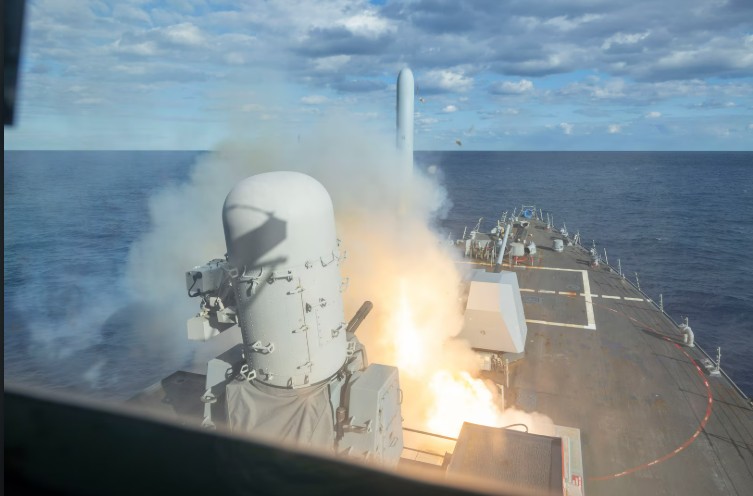
On 28/02/2026, the United States launched a coordinated military operation against Iranian strategic infrastructure under the codename Operation Epic Fury. U.S. officials described the action as a defensive measure intended to prevent what intelligence agencies assessed as an imminent nuclear breakout by Iran and to disrupt the command structure of organizations Washington has long designated as state-sponsored terrorist networks. The operation was carried out in close coordination with Israel’s parallel campaign, Operation Roaring Lion, targeting Iranian nuclear facilities, missile infrastructure, and military leadership nodes.
Senior officials from the administration in office in early 2026 stated that intelligence reports indicated Iranian enrichment facilities were approaching the threshold for producing weapons-grade uranium. According to the U.S. Department of Defense, the principal targets included the underground enrichment complexes at Fordow Fuel Enrichment Plant and Natanz Nuclear Facility. U.S. officials said the objective was the “irreversible degradation” of Iran’s enrichment capability and associated command networks before the program could reach operational nuclear weapons capability.
During the opening phase of the operation, strikes also hit Iranian military command facilities in Tehran. U.S. officials confirmed that Iran’s Supreme Leader, Ali Khamenei, was killed during one of the strikes. Early Pentagon briefings described his death as a consequence of an attack on a command center associated with Iran’s senior leadership bunker network rather than a standalone assassination operation. Later briefings acknowledged that the underground leadership complex in Tehran had been identified as a high-value command and control node.
The Pentagon also stated that several senior figures in the Islamic Revolutionary Guard Corps were killed in the opening phase of the strikes. U.S. officials argued that degrading the IRGC command structure was necessary to disrupt Iran’s ability to coordinate missile and drone transfers to allied armed groups in the region, including those operating in Yemen, Lebanon, and Iraq. American officials described the action as part of a broader effort to limit the reach of Iranian military networks across the Middle East.
The military operation relied heavily on U.S. strategic capabilities. The United States Air Force deployed B-2 Spirit aircraft to deliver GBU-57 Massive Ordnance Penetrator munitions designed to penetrate heavily fortified underground facilities. U.S. defense officials said the weapons were specifically intended for hardened targets such as those at Fordow and Natanz, which are built deep within mountain formations and reinforced structures.
In parallel with the air operations, cyber units from United States Cyber Command reportedly launched an electronic offensive against Iranian military communications networks. According to defense officials, the cyber operation temporarily disrupted Iran’s command and control systems minutes before the first kinetic strikes began, limiting the ability of Iranian air defense units and command centers to coordinate an immediate response.
U.S. officials also emphasized the operational coordination with the Israel Defense Forces during the campaign. Defense leaders described the mission as an example of joint operational planning, with Israeli forces focusing on high-value leadership targets while U.S. forces handled large-scale bunker-penetration strikes and electronic warfare operations. In public statements following the attack, Pentagon officials said the objective was to remove immediate threats posed by Iran’s nuclear and missile programs while limiting the potential for wider regional escalation.
#OperationEpicFury
#Pentagon
#IranNuclearProgram
#MiddleEastConflict
Primary Reference
U.S. Forces Launch Operation Epic Fury

Explore the Life Moments of
 AI Twin