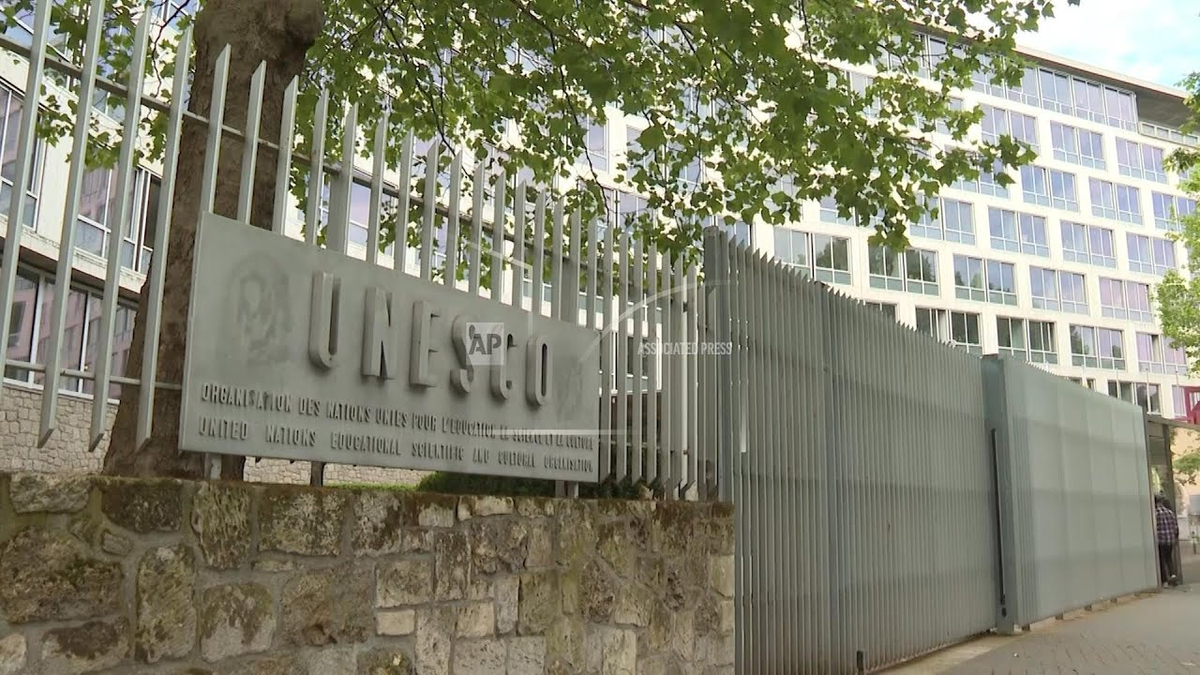
Nicaragua announced withdrawal from UNESCO
France
International Relations
Cultural Organizations
Government Policy
4 min read
Updated By: History Editorial Network (HEN)
Published:
Updated:
Nicaragua's announcement to withdraw from UNESCO marks a pivotal shift in its international relations and commitment to global cultural and educational initiatives. The decision, made public on May 4, 2025, indicates a growing trend among certain nations to reassess their participation in international organizations. This move is part of a broader context where countries like the United States and Israel have previously exited UNESCO, citing concerns over political bias and the organization's effectiveness. Nicaragua's withdrawal is set to take effect on December 31, 2026, which allows for a transition period during which the implications of this decision can be evaluated. The country has been a member of UNESCO, which promotes education, science, culture, and communication, and its departure raises questions about the future of its engagement in these areas on a global scale.
The impact of Nicaragua's withdrawal from UNESCO could be significant, particularly in terms of cultural heritage and educational programs that benefit from international cooperation. UNESCO plays a crucial role in protecting world heritage sites and promoting educational initiatives that can enhance local capacities. By stepping away from this platform, Nicaragua may face challenges in accessing funding and support for cultural preservation and educational development. The decision reflects a broader trend of skepticism towards multilateral organizations, which some nations perceive as ineffective or politically motivated. As Nicaragua prepares for this transition, the implications for its cultural and educational landscape will be closely monitored by both domestic and international observers.
#mooflife
#MomentOfLife
#Nicaragua
#Unesco
#InternationalRelations
#CulturalHeritage
#EducationalInitiatives

Explore the Life Moments of
 AI Twin