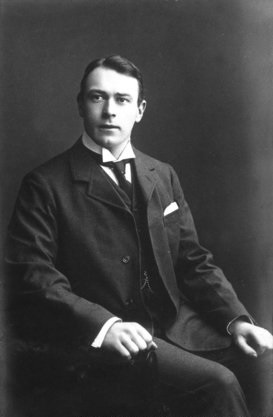
Early photographic documentation of Tuvaluan life by New Zealand photographer Thomas Andrew.
Tuvalu
Photography Documentation
4 min read
Updated By: History Editorial Network (HEN)
Published:
Updated:
Thomas Andrew, a New Zealand photographer known for his expertise in portrait and landscape photography, embarked on an expedition to the Pacific Islands in the late 19th century. Among his destinations were Funafuti and Nui, islands that are part of Tuvalu. This visit marked one of the earliest instances of photographic documentation of Tuvaluan life, culture, and environment.
Andrew’s journey to these islands was significant for multiple reasons. Photography, a relatively new medium at the time, had not yet been widely used to document the remote regions of the Pacific. His images provided some of the first visual records from within these communities, capturing vital aspects of daily life, local customs, and the natural environment. These photographs had a profound impact in terms of how Western audiences perceived and understood Pacific Islander cultures.
Upon his return, Andrew's work gained recognition for its ethnographic value, contributing to anthropological and historical studies. His photographs offered crucial insights into the traditional attire, housing, and community structures of the Tuvaluan people. Additionally, these visual records became important references for scholars and researchers studying the Pacific Islands, helping to preserve the historical and cultural narratives of Tuvalu.
The photographs taken by Thomas Andrew remain a vital part of the archival collections and are often referenced in discussions about historical documentation and cultural preservation of the Pacific Islands. The impact of his work underscores the importance of early photographic technologies in capturing and preserving the heritage of less-documented communities.
#TuvaluHeritage #PacificHistory #CulturalDocumentation #EarlyPhotography #MoofLife

Explore the Life Moments of
 AI Twin