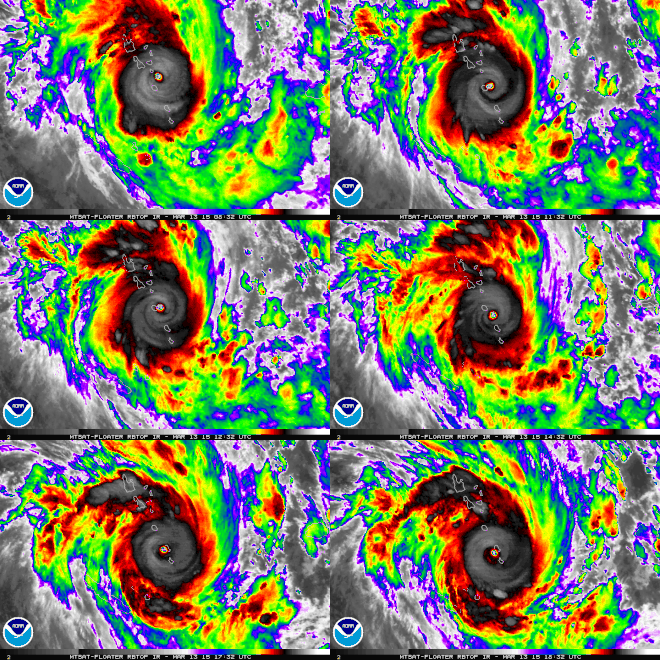
Cyclone Pam devastates Tuvalu causing food and water crises, infrastructure damage, and vulnerable conditions.
Tuvalu
Natural Disaster
Crisis Response
Food Security
Water Crisis
Infrastructure Damage
Quality of Life
3 min read
Updated By: History Editorial Network (HEN)
Published:
Updated:
Cyclone Pam struck Tuvalu, bringing with it severe devastation. The island nation faced extensive damage due to this natural disaster. High winds and heavy rains led to widespread destruction of crops, which served as vital food sources for the local population. This agricultural loss rendered food security a significant concern, as subsistence farming is a primary activity.
In addition to agricultural damage, water sources were severely contaminated. Saltwater inundation and debris compromised freshwater supplies, posing immediate challenges for drinking water and sanitation. The contamination necessitated urgent intervention to prevent waterborne diseases and ensure access to clean water for the community.
Infrastructure across Tuvalu also suffered. Buildings, roads, and communication systems were heavily impacted, hampering immediate relief efforts and long-term recovery. The damage to these critical infrastructures disrupted daily life and hindered economic activities, further compounding the challenges faced by the island nation.
Numerous households were left in vulnerable conditions, requiring substantial rebuilding efforts and external aid. The Tuvaluan government and international organizations mobilized resources to address the immediate needs of the population and to initiate recovery plans.
#CyclonePam #Tuvalu #NaturalDisaster #CrisisResponse #FoodSecurity #WaterCrisis #InfrastructureDamage #MoofLife

Explore the Life Moments of
 AI Twin