Cyclone Meli's Devastation in Tepuka Vili Vili, Tuvalu.
Tuvalu
Environmental
Natural Disaster
4 min read
Updated By: History Editorial Network (HEN)
Published:
Updated:
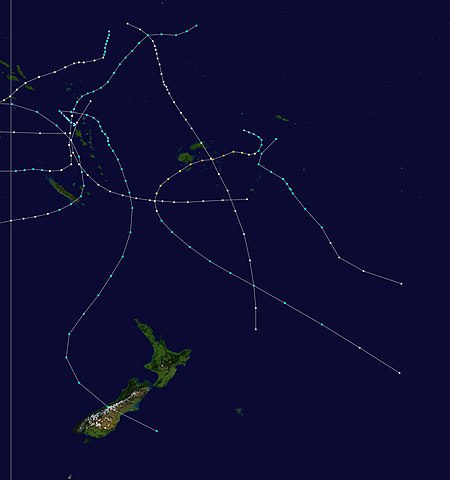
Cyclone Meli struck the Tepuka Vili Vili islet in Tuvalu, causing extensive damage. The cyclone, classified as a Category 3, brought strong winds, high seas, and heavy rainfall. Tepuka Vili Vili, a small islet, faced the full brunt of Cyclone Meli’s intensity.
The impact on the islet was severe. Vegetation was uprooted, and a significant portion of the sand that formed the islet was washed away. The landscape of Tepuka Vili Vili changed dramatically due to the erosive forces of wind and water. The once dense vegetation that provided stability to the islet's structure was left almost entirely barren.
The aftermath of Cyclone Meli highlighted the vulnerability of small island ecosystems to natural disasters. In addition to the environmental damage, the cyclone disrupted the lives of those inhabitants relying on the islet for resources. The lack of vegetation led to a loss of habitat for wildlife and affected the subsistence activities of local communities.
Data collected post-cyclone indicated that wind speeds reached up to 185 km/h (115 mph), and the storm surge significantly contributed to coastal erosion. The photographic and testimonial documentation from the time serves as important records for understanding the cyclone’s impact.
Resilience and adaptation strategies were considered essential going forward, including improving early warning systems and enhancing coastal protection measures. The event underscored the need for international cooperation in supporting small island nations in their disaster preparedness and recovery efforts.
#CycloneMeli #TepukaViliVili #Tuvalu #EcosystemImpact #IslandResilience #MoofLife

Explore the Life Moments of
 AI Twin