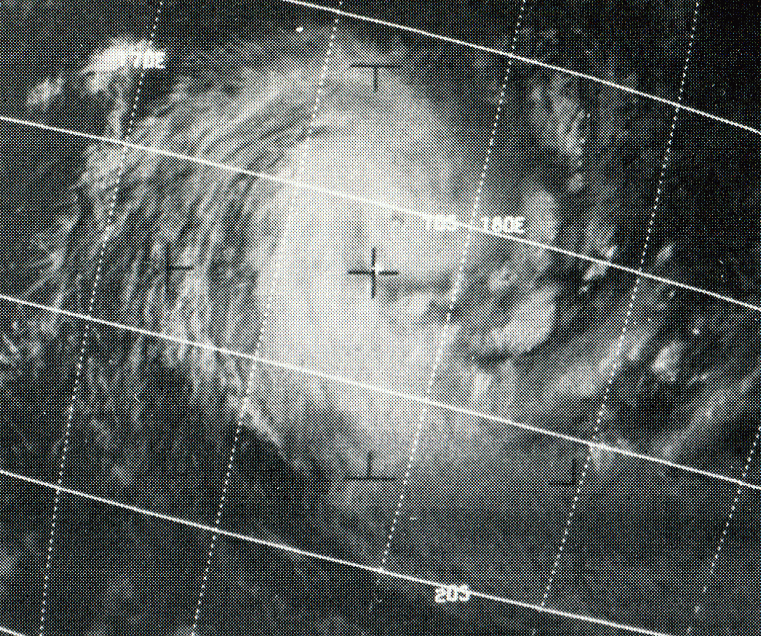
Cyclone Bebe devastates Funafuti Atoll in Tuvalu, highlighting vulnerabilities and need for disaster preparedness.
Tuvalu
Humanitarian
4 min read
Updated By: History Editorial Network (HEN)
Published:
Updated:
Cyclone Bebe, a devastating tropical cyclone, struck the Funafuti Atoll in Tuvalu, causing significant destruction. The cyclone resulted in the submersion of the atoll, with 95% of its structures being destroyed. The impact on the community was severe, with six fatalities reported. The cyclone also led to the contamination of freshwater sources, creating a critical shortage of clean drinking water for the inhabitants. The destruction of infrastructure included homes, public buildings, and essential services, leaving the community in urgent need of aid and rebuilding efforts.
Funafuti, one of the nine atolls and islands that make up Tuvalu, faced unprecedented challenges due to this natural disaster. The cyclone highlighted the vulnerabilities of low-lying island nations to extreme weather events, particularly in the Pacific region. The disaster underscored the need for improved disaster preparedness and resilient infrastructure to protect against future occurrences.
Humanitarian response efforts were mobilized to provide immediate relief to the affected population. This included the delivery of emergency supplies such as food, water, and medical aid. Reconstruction efforts were undertaken to restore housing and public services, and measures were implemented to protect freshwater sources from contamination in future events.
Cyclone Bebe remains a stark reminder of the powerful impact of natural disasters on small island communities and the importance of ongoing efforts to mitigate such risks.
#CycloneBebe #Funafuti #Tuvalu #DisasterRelief #EmergencyResponse #ClimateVulnerability #IslandResilience #MoofLife

Explore the Life Moments of
 AI Twin