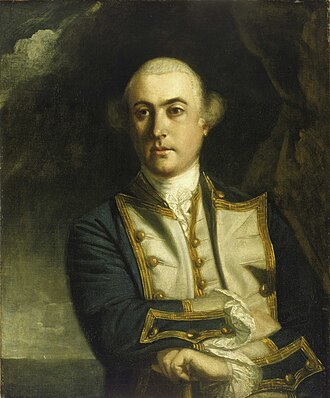
Captain Byron's Pacific exploration shapes European understanding and influences Pacific colonization.
Tuvalu
Exploration
3 min read
Updated By: History Editorial Network (HEN)
Published:
Updated:
Captain John Byron embarked on a significant circumnavigation of the globe when, during one of his voyages, he came upon a series of coral atolls in the Pacific Ocean. These atolls are part of what is known today as Tuvalu. At the time, Byron named these formations Lagoon Islands.
Byron's expedition aimed to enhance the European understanding of the Pacific region. His observations and recordings contributed valuable geographic data for the British Admiralty. The charts produced were significant for navigation and further exploration. They provided insights into the locations of the various atolls and their characteristics, including their treacherous reefs and lagoons.
The mapping and charting work undertaken by Byron proved instrumental in subsequent maritime explorations and voyages of the Pacific Ocean. It helped future navigators avoid perilous reefs and improved the efficiency and safety of sea travel. The newly charted Lagoon Islands became reference points for explorers, traders, and even whalers navigating these remote waters in later years.
Byron’s contributions and the subsequent attention given to the Pacific islands played a role in the increasing European interest in this part of the world. It marked a step in the wider context of European colonization and exploration, influencing the socio-economic and political landscape in the Pacific.
#MaritimeHistory #NauticalExploration #TuvaluHistory #LagoonIslands #PacificExploration #MoofLive

Explore the Life Moments of
 AI Twin