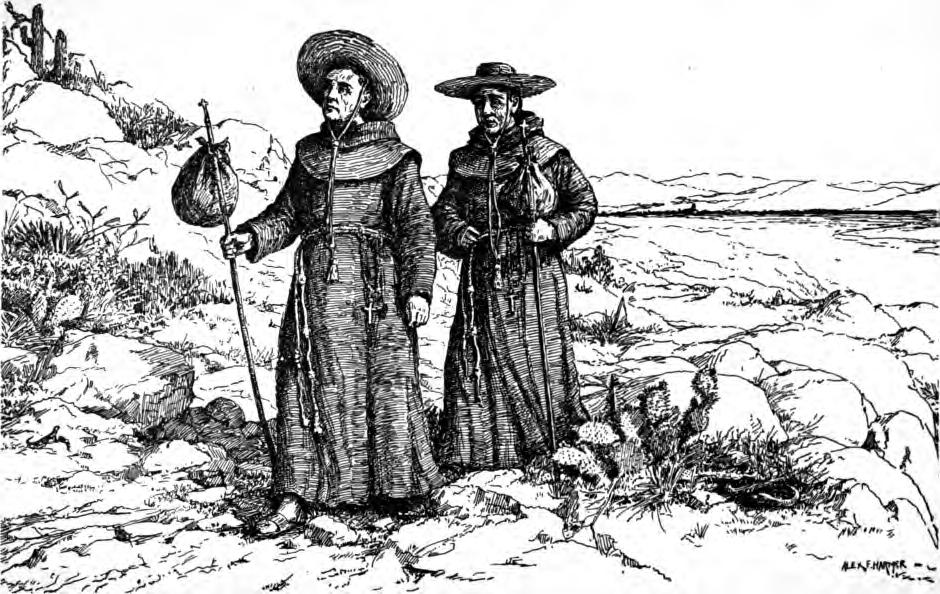
Spanish Missionaries in Trinidad: A Key Role in Cultural and Demographic Transformations.
Trinidad and Tobago
Religion
4 min read
Updated By: History Editorial Network (HEN)
Published:
Updated:
The establishment of Spanish missions in Trinidad began as part of Spanish colonial efforts to convert the indigenous Caribs and Arawaks to Christianity. These missions, set up by Catholic priests, were instrumental in the religious and cultural transformation of the island's native population. The process involved the establishment of settlements where the indigenous peoples were taught Spanish as well as European agricultural techniques and crafts.
The most notable mission was the Santa Rosa de Arima, founded at a time when the Spanish sought to consolidate their control over the region. The impact of these missions was profound, leading to significant changes in the social and cultural landscape of Trinidad. Indigenous populations were often relocated and concentrated into mission settlements, which facilitated the spread of Christianity but also led to the disruption of traditional lifestyles and practices.
Statistics from historical records indicate that these missions played a central role in the declining indigenous population due to new European diseases and the harsh working conditions imposed on them. The missions also marked the beginning of a new chapter in the demographic and cultural makeup of Trinidad, setting the stage for further colonization and the eventual importation of African slaves to work on sugar plantations.
The legacy of the missions remains a complex part of Trinidad's history, symbolizing both the spread of Christianity and the significant cultural changes that ensued.
#TrinidadHistory #CulturalChange #ColonialImpact #IndigenousPeoples #SpanishMissions #MoofLife

Explore the Life Moments of
 AI Twin