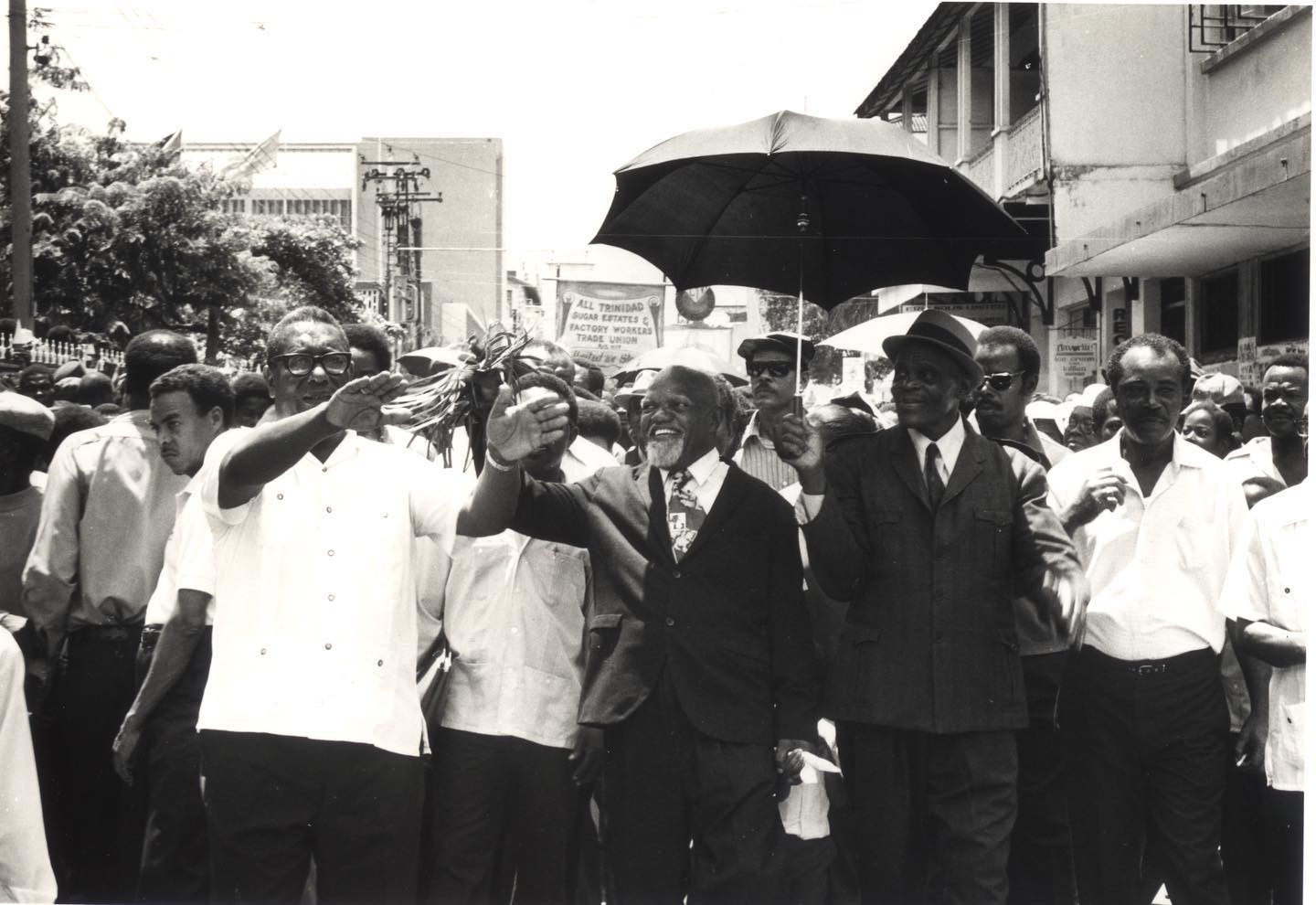
Labor riots led by Buzz Butler birthed the modern Trinidadian Trade Union movement.
Trinidad and Tobago
Political
Social Unrest
4 min read
Updated By: History Editorial Network (HEN)
Published:
Updated:
Trinidad and Tobago experienced a pivotal turning point when labor riots, spearheaded by Tubal Uriah "Buzz" Butler, led to the establishment of the modern Trade Union movement. Over a period marked by economic hardship and social unrest, Butler emerged as a prominent figure advocating for workers' rights. Growing frustrations among laborers, driven by low wages, poor working conditions, and lack of representation, culminated in widespread protests and strikes.
As an oilfield worker himself, Butler was acutely aware of the grievances of fellow workers. He organized and galvanized the labor force, encouraging them to demand fair treatment and justice. The tensions escalated into a full-scale riot as the workers, unified under Butler's leadership, clashed with both colonial authorities and industrial employers.
The intense conflict drew national and international attention, forcing the British colonial administration to acknowledge the pressing issues. As a direct outcome, reforms were instituted, leading to the legalization and formal recognition of trade unions. This development marked the birth of the modern Trade Union movement in Trinidad and Tobago, giving workers a structured platform for negotiation and advocacy.
Statistically, the formation of legally recognized trade unions resulted in improved labor legislation, including the establishment of minimum wage laws and better working conditions. The trade unions also became instrumental in political activism, significantly influencing the trajectory of the country's socio-economic policies.
#LaborReform #WorkersRights #TradeUnionMovement #TrinidadAndTobago #MoofLife

Explore the Life Moments of
 AI Twin