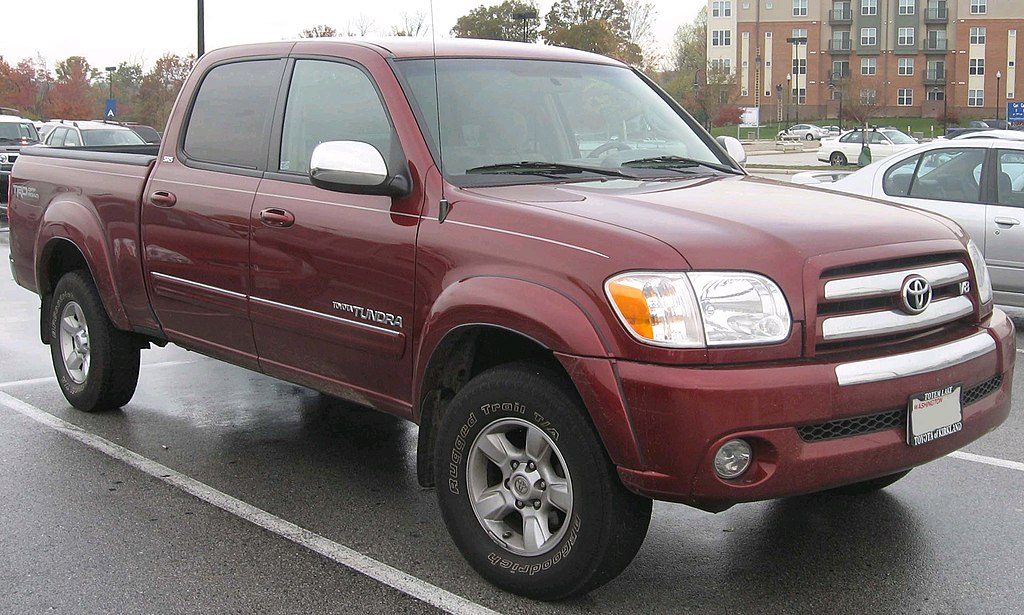
Toyota Replaces the T100 with the Full-Size Tundra
Japan
Automotive
Trucks
Toyota
3 min read
Updated By: History Editorial Network (HEN)
Published:
Updated:
In May 1999, Toyota introduced the Tundra, a full-size pickup truck developed specifically for the North American market, effectively replacing the underwhelming Toyota T100. The T100, though reliable, had failed to resonate with American consumers due to its smaller size, lack of a V8 engine, and limited configurations—key shortcomings in a segment dominated by Ford, Chevrolet, and Dodge. Learning from this, Toyota engineered the Tundra to be larger, more powerful, and assembled in the United States at its new Princeton, Indiana plant. The Tundra offered a V8 engine option (borrowed from the Lexus lineup), a spacious interior, and a design that better aligned with American preferences for work and recreation.
The Tundra’s release marked a turning point in Toyota’s strategy to compete directly in the lucrative full-size truck segment. It received widespread acclaim, including the title of Motor Trend’s 2000 Truck of the Year, and was praised for its refinement, build quality, and reliability. More importantly, it signaled Toyota’s long-term commitment to becoming a serious contender in the American truck market—no longer just a maker of compact pickups. By addressing the critical flaws of the T100, the Tundra laid the foundation for Toyota's growing truck legacy in the U.S., eventually leading to expanded production, high-performance variants, and a loyal customer base in a traditionally domestic-dominated segment.
#mooflife
#MomentOfLife
#ToyotaT100
#Full-sizeTrucks
#PickupTrucks
#AutomotiveHistory
#ToyotaTrucks

Explore the Life Moments of
 AI Twin