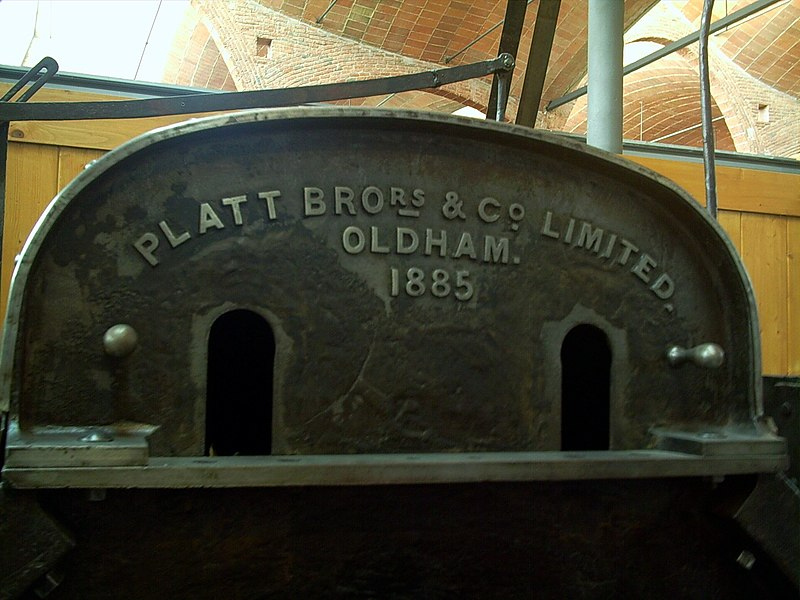
Patent for the Automatic Loom Sold to the Platt Brothers
Japan
Technology
Automotive Development
Industrial Innovation
4 min read
Updated By: History Editorial Network (HEN)
Published:
Updated:
Sakichi Toyoda, a prominent inventor, developed the Toyoda Model G automatic loom, which introduced the principle of jidoka. This principle allows the machine to stop automatically when a problem occurs, ensuring quality control during the weaving process. The innovation in loom technology not only improved efficiency in textile production but also laid the groundwork for future advancements in manufacturing practices. The automatic loom was produced on a small production line, which was a significant shift from traditional methods of textile manufacturing. This approach to production would later influence the development of the Toyota Production System, emphasizing the importance of quality and efficiency in manufacturing processes.
In 1929, the patent for the automatic loom was sold to the British company Platt Brothers. This sale was pivotal as it generated the necessary capital for Toyoda to pivot towards automobile development. The funds acquired from the patent sale allowed Toyoda to invest in new technologies and expand his business into the automotive sector, ultimately leading to the establishment of Toyota Motor Corporation. The transition from textile machinery to automobiles marked a significant evolution in the company’s trajectory, contributing to its future success as a leading global automotive manufacturer. The impact of the automatic loom and its associated technologies continues to resonate in modern manufacturing practices, highlighting the importance of innovation in driving industrial progress.
#mooflife
#MomentOfLife
#SakichiToyoda
#AutomaticLoom
#ToyotaProductionSystem
#ManufacturingInnovation
#AutomobileDevelopment

Explore the Life Moments of
 AI Twin