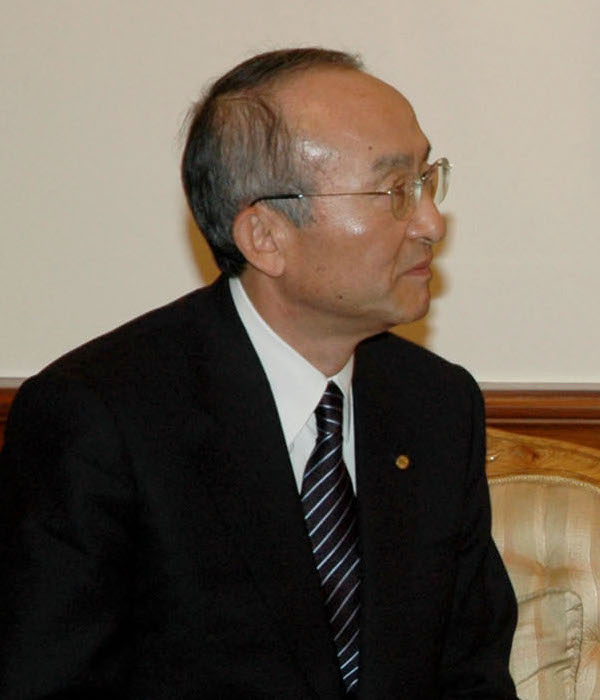
Katsuaki Watanabe Assumed the Role of President
Japan
Business
Automotive
Leadership
4 min read
Updated By: History Editorial Network (HEN)
Published:
Updated:
The leadership change at Toyota Motor Corporation marked a pivotal transition in the company's strategic direction. Katsuaki Watanabe assumed the role of President in 2005, succeeding Shoichiro Toyoda, who had been instrumental in shaping the company's global presence. Watanabe's tenure was characterized by a strong emphasis on operational efficiency and environmental sustainability, reflecting the growing importance of these factors in the automotive industry. Under his leadership, Toyota continued to innovate in hybrid technology, building on the success of the Prius, which had already established the company as a leader in eco-friendly vehicles. Watanabe's focus on sustainability was not only a response to market demands but also aligned with broader global trends towards reducing carbon emissions and promoting greener technologies.
The impact of Watanabe's leadership extended beyond product development; it also influenced Toyota's corporate culture and operational practices. He implemented strategies aimed at enhancing productivity and reducing waste, which were critical in maintaining Toyota's competitive edge in a rapidly evolving market. During his presidency, Toyota's global sales figures reflected a positive trend, showcasing the effectiveness of his initiatives. The leadership change was significant in reinforcing Toyota's commitment to innovation and sustainability, setting a foundation for future growth and adaptation in an increasingly competitive automotive landscape. This period also saw Toyota navigating challenges such as economic fluctuations and increased competition, which required agile leadership and strategic foresight.
#mooflife
#MomentOfLife
#Toyota
#LeadershipChange
#KatsuakiWatanabe
#Sustainability
#AutomotiveIndustry

Explore the Life Moments of
 AI Twin