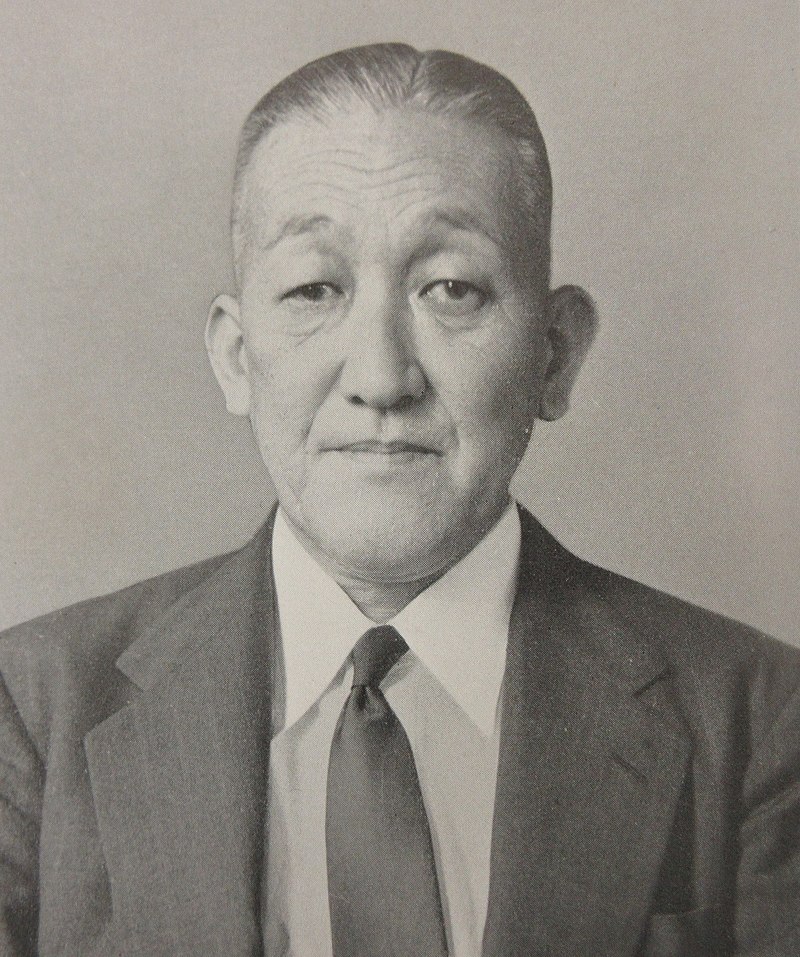
Fukio Nakagawa Becomes President of Toyota Motor Co.
Japan
Business
Automotive
Leadership
4 min read
Updated By: History Editorial Network (HEN)
Published:
Updated:
The leadership structure of Toyota has undergone several changes since its inception, with key figures playing pivotal roles in the company's growth. Fukio Nakagawa served as President of Toyota Motor Co. from 1961 to 1967. During his tenure, Nakagawa focused on expanding the company's operations and enhancing its development strategies. His leadership coincided with a period of significant growth for Toyota, as the company began to establish itself as a major player in the global automotive market. Nakagawa's approach to management emphasized innovation and efficiency, which laid the groundwork for future advancements in production and design. This period was marked by the introduction of new models and an increase in production capacity, which helped Toyota to meet the rising demand for automobiles both domestically and internationally.
The impact of Nakagawa's presidency can be seen in the subsequent success of Toyota as it navigated the challenges of a competitive automotive landscape. His leadership style fostered a culture of continuous improvement, which became a hallmark of Toyota's operational philosophy. The company's commitment to quality and customer satisfaction during this era contributed to its reputation for reliability and durability. As Toyota continued to grow, the foundation laid by Nakagawa and his predecessors became instrumental in shaping the company's future direction. The leadership changes at Toyota reflect a broader strategy of adapting to market demands and technological advancements, ensuring that the company remains at the forefront of the automotive industry.
#mooflife
#MomentOfLife
#ToyotaLeadership
#FukioNakagawa
#AutomotiveIndustry
#CorporateStrategy
#GlobalExpansion

Explore the Life Moments of
 AI Twin