Energy Crisis and Shift in American Auto Industry
Japan
Automotive Industry
Energy Crisis
Consumer Behavior
4 min read
Updated By: History Editorial Network (HEN)
Published:
Updated:
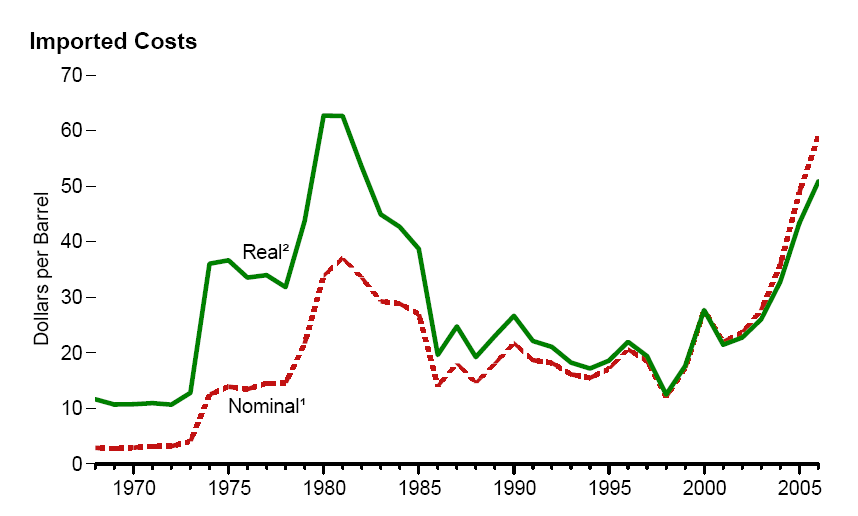
The energy crisis of the 1970s marked a pivotal change in the American auto industry. Prior to this crisis, the market was dominated by large vehicles equipped with powerful but inefficient engines, which catered to consumer preferences for size and power. However, the crisis led to a dramatic shift in consumer behavior, as rising fuel prices prompted a demand for smaller, more fuel-efficient vehicles. This change in consumer preference posed significant challenges for domestic automakers, who found it difficult to adapt their production lines to meet the new demand for high-quality, fuel-efficient cars. In contrast, foreign automakers, particularly Japanese companies like Toyota, were better positioned to capitalize on this shift due to their existing focus on smaller, more economical vehicles. As a result, Japanese automakers gained a competitive edge in the U.S. market, leading to increased market share and sales.
The impact of the energy crisis extended beyond consumer preferences; it also influenced legislative actions. The growing success of foreign automakers, coupled with rising anti-Japanese sentiment among American consumers and politicians, led U.S. Congress to consider implementing import restrictions. These measures aimed to protect the domestic auto industry from foreign competition, which was perceived as a threat to American jobs and economic stability. The energy crisis thus not only transformed the types of vehicles that consumers wanted but also initiated a broader discussion about trade policies and the future of American manufacturing in the face of global competition.
#mooflife
#MomentOfLife
#EnergyCrisis
#AmericanAutoIndustry
#FuelEfficiency
#JapaneseAutomakers
#ImportRestrictions

Explore the Life Moments of
 AI Twin