Thomas Edison's Dismissal from Western Union: A Catalyst for Innovation and Success
United States of America
Technology
Innovation
4 min read
Updated By: History Editorial Network (HEN)
Published:
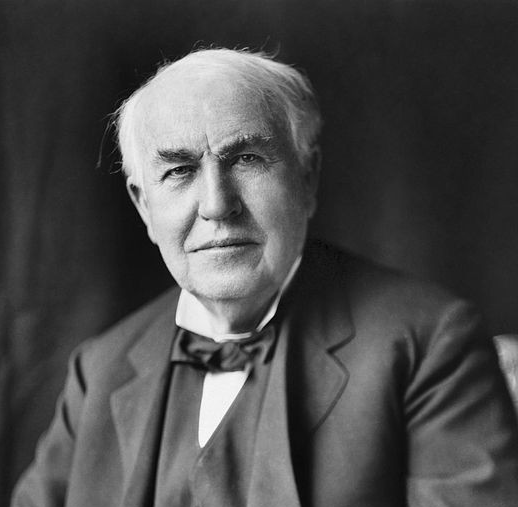
Thomas Edison was employed at Western Union, where his innovative spirit led him to experiment relentlessly. While working on a lead–acid battery, an accident occurred. Sulfuric acid spilled onto the floor and seeped down onto his boss's desk below, resulting in his immediate dismissal.
Edison had always been a curious and driven individual, often tinkering with various technologies to improve or invent new devices. His time at Western Union was no different; he was constantly working on projects, some sanctioned by his role, others not. This particular experiment was a part of his ongoing efforts to enhance battery technology, a venture that had significant potential for the future of telecommunication and energy storage.
The impact of his dismissal was twofold. Professionally, it marked the end of his association with Western Union, but it also acted as a catalyst that propelled him towards his future endeavors. Personally, the incident reinforced Edison's determination to succeed independently.
Statistics show that Edison, who had limited formal education, went on to hold 1,093 US patents, including those for the phonograph, the motion picture camera, and a long-lasting, practical electric light bulb. The adversity he faced, such as being fired from Western Union, exemplified his resilience and ability to turn setbacks into opportunities.
Edison's contributions to technology and innovation were monumental, shaping various industries and impacting everyday life. His encounter with the sulfuric acid spill incident was a stepping stone, illustrating the challenges inventors often face on the path to significant breakthroughs.
#MoofLife #ThomasEdison #Innovation #Resilience #BatteryExperiment #WesternUnion #TechnologicalAdvancement
Primary Reference
Telegrapher | Thomas Edison (1847-1931) | Stories Preschool
Explore the Life Moments of
 AI Twin