Thomas Edison challenges gold standard and debt-based money in response to economic instability.
United States of America
Political
Economic Downturn
4 min read
Updated By: History Editorial Network (HEN)
Published:
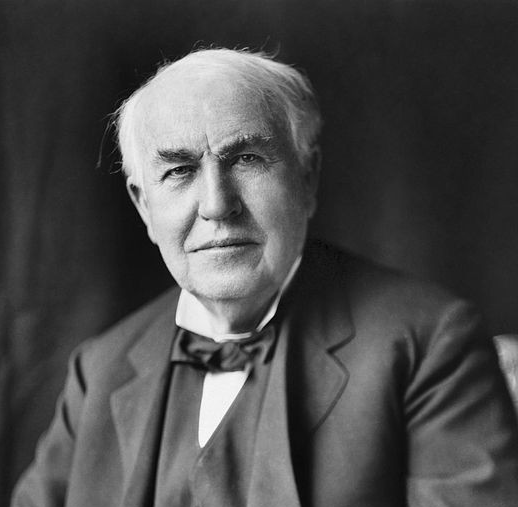
Thomas Edison, renowned inventor and businessman, was quoted in the New York Times, where he expressed his opposition to the gold standard and the concept of debt-based money. He characterized gold as a historical artifact, calling it "a relic of Julius Caesar," and described interest as "an invention of Satan." Edison’s critique came during a period of significant financial uncertainty and debate over economic policies.
The gold standard linked the value of a country's currency directly to a certain quantity of gold, which many believed contributed to stability in international trade. However, critics argued that it restricted monetary policy and aggravated economic downturns. At that time, the world was dealing with the aftermath of World War I, which had created massive debts for many nations. The reliance on gold limited governments' ability to respond effectively to economic crises due to constrained money supplies.
Debt-based money, or the practice of issuing currency through the creation of debt, was another contentious issue. Proponents considered it a critical mechanism for facilitating economic growth and investment. However, many, including Edison, viewed it as a means of indebting ordinary citizens and governments to bankers and financial institutions, leading to perpetual financial exploitation through interest payments.
Edison’s statements received widespread attention and sparked discussions among economists, policymakers, and the public. His critique added fuel to ongoing debates about monetary reform, influencing some to advocate for alternative systems. These discussions continued to evolve over the decades, impacting the development of monetary policy and the eventual abandonment of the gold standard globally.
#MoofLife #FinancialReform #EconomicPolicy #ThomasEdison #GoldStandard #DebtBasedMoney
Primary Reference
Thomas A. Edison | The US Solar Institute
Explore the Life Moments of
 AI Twin