Edison's Legal Victory: Advancing Electric Lighting Innovation
United States of America
Technology
Innovation
4 min read
Updated By: History Editorial Network (HEN)
Published:
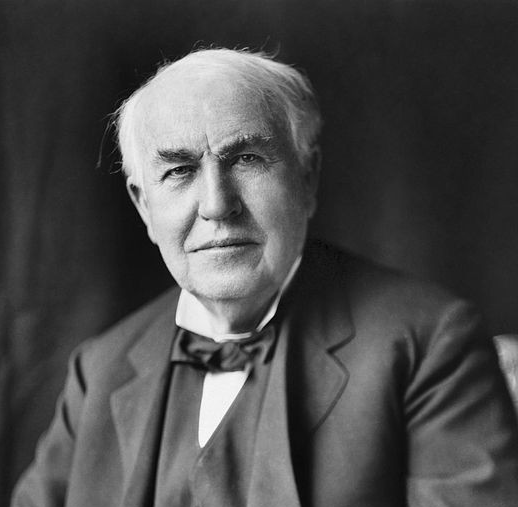
Thomas Edison, a significant figure in the development of electric light technology, claimed an improvement for a filament of carbon with high resistance. This claim was subject to legal scrutiny when it was contested. Edison's innovation was a significant advancement in creating a practical and efficient light bulb, which was vital for the widespread adoption of electric lighting.
In the courtroom, the argument focused on whether Edison's claim constituted a novel invention under patent law. Edison argued that a carbon filament with high resistance produced a longer-lasting and more efficient light source compared to previous designs. The carbon filament technology demonstrated improved efficacy and durability, making it commercially viable for widespread use.
The judge ruled in Edison's favor, validating his patent claim for the carbon filament. This ruling empowered Edison to control the use of his filament technology, further cementing his role as a leader in electric light innovation. His legal victory also paved the way for the large-scale production and distribution of electric light bulbs, revolutionizing indoor and outdoor lighting solutions.
The impact of this court ruling extended beyond Edison's personal success, heralding a new era in electric lighting. The validation of Edison's patent underscored the importance of legal frameworks in protecting and encouraging technological innovation. The widespread adoption of Edison's light bulbs contributed significantly to the modernization of urban infrastructures and industrial growth.
#Innovation #ElectricLight #ThomasEdison #PatentLaw #TechnologicalAdvancement #MoofLife
Primary Reference
THOMAS EDISON INCANDESCENT GLASS LIGHT BULB ...
Explore the Life Moments of
 AI Twin