Edison Embraces AC: Transitioning from DC to AC for Power Transmission
United States of America
Technology
Business
4 min read
Updated By: History Editorial Network (HEN)
Published:
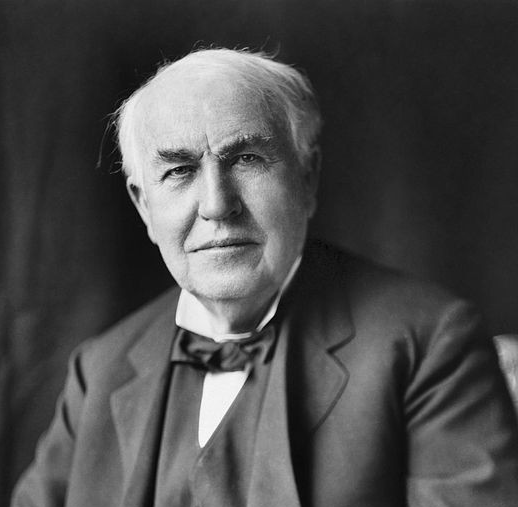
Thomas Edison was recognized for his pioneering work and staunch advocacy of direct current (DC) for electric power distribution. However, industrial and public demand for more efficient and cost-effective long-distance power transmission presented a challenge. This demand led to the inception of AC (alternating current) research and development at Edison Machine Works.
AC power transmission had been gaining traction due to its capability to transmit over greater distances with less energy loss, a significant advantage over DC. This technological transition underscored a pivotal adaptation in Edison's philosophy towards electricity. The Edison Machine Works, under Edison's directive, began developing AC-based equipment to remain competitive in the evolving energy market. This initiative also aligned with the broader industry's shift towards AC, largely influenced by the work of Nikola Tesla and Westinghouse Electric Corporation.
The development of AC equipment by Edison Machine Works marked an adaptation in response to these technological and market pressures. Despite Edison’s historical preference for DC, this shift was a pragmatic approach to the prevailing technical challenges and economic opportunities posed by AC systems.
The incorporation of AC technology into Edison’s portfolio had implications for both the company and the broader electrical industry. This move facilitated more extensive electrification of urban and rural areas, over broader distances, fulfilling the growing demand for reliable and accessible electrical power.
#MoofLife #ThomasEdison #Electricity #PowerTransmission #ACTechnology #IndustrialHistory #EdisonMachineWorks
Primary Reference
Electrical telegraph - Wikipedia
Explore the Life Moments of
 AI Twin