Foundation of Ayutthaya Kingdom
Thailand
Cultural Exchange
4 min read
Updated By: History Editorial Network (HEN)
Published:
In 1351, the Ayutthaya Kingdom was established in present-day Thailand, marking a pivotal moment in Southeast Asian history. The kingdom was founded by King Ramathibodi I, who ascended to the throne after overthrowing the Khmer rulers of Ayutthaya.
Located strategically along major trade routes, Ayutthaya quickly became a powerful trading hub, attracting merchants from China, India, Persia, and Arabia. This flourishing trade brought immense wealth and cultural exchange to the kingdom, contributing to its prosperity and influence in the region.
Under the Ayutthayan rule, Theravada Buddhism became the dominant religion, shaping the kingdom's societal norms and cultural practices. The kings of Ayutthaya also formed diplomatic ties with neighboring kingdoms and established themselves as a major political force in Southeast Asia.
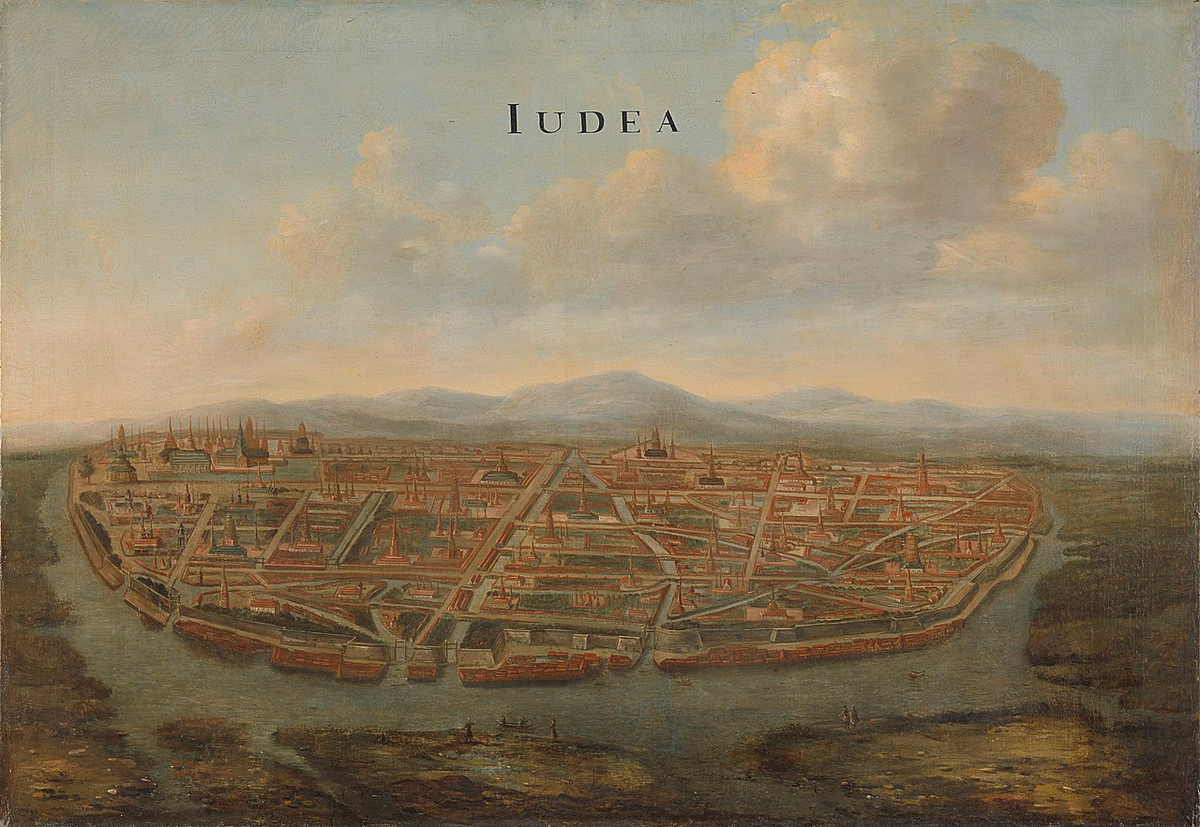
The Ayutthaya Kingdom's art and architecture thrived, with magnificent temples and palaces erected throughout the capital. The city's grandeur and sophistication earned it a reputation as one of the most impressive cities in the world at the time.
Despite its achievements, the Ayutthaya Kingdom faced challenges, including conflicts with neighboring powers like the Khmer Empire and the Burmese Kingdom. In 1767, after a long period of decline, Ayutthaya fell to Burmese invaders, leading to the eventual collapse of the kingdom.
Nevertheless, the legacy of the Ayutthaya Kingdom endures in Thailand's cultural heritage and historical identity. The ruins of Ayutthaya serve as a testament to the kingdom's greatness and a reminder of its lasting impact on Thai society.
#AyutthayaKingdom #ThailandHistory #CulturalExchange

Explore the Life Moments of
 AI Twin