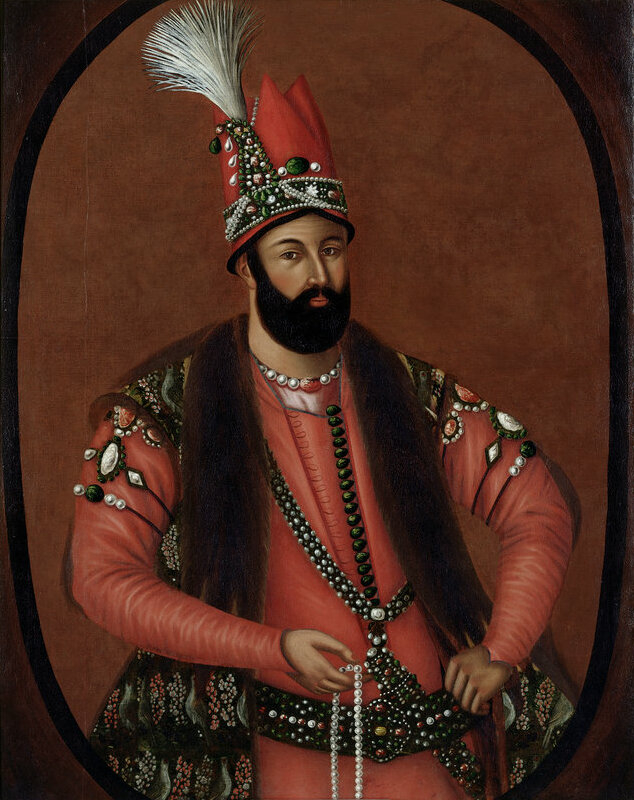
Nader Shah's Conquest of the Janid Khanate by the Afsharid Ruler of Iran
Tajikistan
Military
Iran
Khanate
3 min read
Updated By: History Editorial Network (HEN)
Published:
Updated:
In 1740, Nader Shah, the Afsharid ruler of Iran, successfully conquered the Janid Khanate, marking a significant shift in the region's political landscape. Following this conquest, the Janid khan, Abu al Faiz, managed to retain his throne but became a vassal under Nader Shah's rule. This event initiated a period of Iranian influence over Central Asia. After Nader Shah's assassination in 1747, Muhammad Rahim Biy Azaliq, the chief of the Manghit tribe, emerged as a powerful leader, overcoming rival factions and consolidating his authority in the Khanate of Bukhara. Although he established his rule, subsequent leaders continued to govern in the name of puppet khans of Janid origin. The situation evolved further in 1785 when Shah Murad formalized the dynastic rule of the Manghit dynasty, transforming the khanate into the Emirate of Bukhara. This transition not only solidified the Manghit's power but also marked the beginning of a new era in the region's governance, characterized by a blend of local and Iranian influences.
#mooflife
#MomentOfLife
#NaderShah
#JanidKhanate
#EmirateOfBukhara
#ManghitDynasty
#IranianInfluence

Explore the Life Moments of
 AI Twin