Basmachi Revolt Emerges Following Russian Influence in Central Asia
Tajikistan
Revolts
Central Asia
3 min read
Updated By: History Editorial Network (HEN)
Published:
Updated:
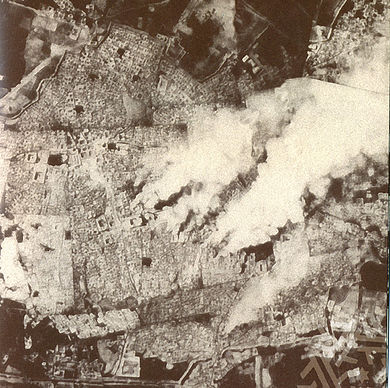
The Basmachi Revolt emerged in the aftermath of the Russian Revolution of 1917, as various local insurgent groups in Central Asia, collectively known as the Basmachi, rose against the Bolshevik regime. This uprising was primarily a reaction to the Bolshevik seizure of power and the radical changes imposed by the new Soviet government, which threatened traditional ways of life and local autonomy. The Basmachi movement sought to resist Soviet control and maintain their cultural and social structures. The revolt persisted through the early 1920s, characterized by guerrilla warfare against Bolshevik forces. The conflict was marked by significant violence, including the destruction of mosques and villages, and widespread suppression of the local population. Ultimately, the Bolsheviks emerged victorious after a protracted four-year struggle, consolidating their power in the region during the Russian Civil War. The Basmachi Revolt is a significant chapter in the history of Central Asia, highlighting the complexities of national identity and resistance during a period of profound political upheaval.
#mooflife
#MomentOfLife
#BasmachiRevolt
#RussianRevolution
#SovietUnion
#CentralAsia
#Bolshevik

Explore the Life Moments of
 AI Twin