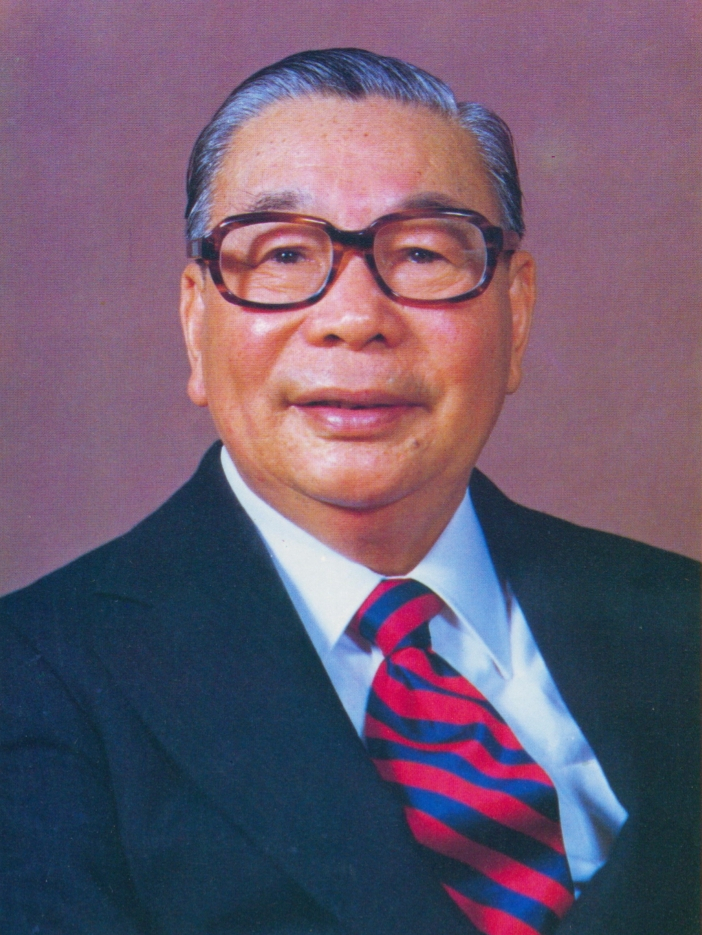
Kuomintang Leader Becomes President After Secret Police Role
Taiwan
Politics
4 min read
Updated By: History Editorial Network (HEN)
Published:
Updated:
Chiang Ching-kuo, who previously led the secret police, became the President of the Republic of China (ROC) and initiated significant reforms aimed at securing foreign support and ensuring the future stability of Taiwan. His leadership marked a pivotal shift in the political landscape, as he recognized the necessity of reforming the existing political structure to foster international relations. Under his administration, there was a gradual loosening of political controls, which laid the groundwork for a transition towards a more democratic governance model. This shift was crucial in addressing the demands of the populace for greater political freedom and representation. Additionally, Chiang's policies included efforts to promote the Taiwanization of the regime, which aimed to enhance local identity and governance in contrast to the previous mainland-centric policies.
The impact of Chiang Ching-kuo's presidency was profound, as it not only altered the internal dynamics of Taiwan but also influenced its international standing. The reforms initiated during his tenure contributed to a more open political environment, which eventually led to the establishment of a multi-party system. This transition was essential for Taiwan's development as a democratic society and played a significant role in its economic growth. The loosening of political controls and the push for Taiwanization helped to cultivate a sense of national identity among the Taiwanese people, fostering unity and resilience in the face of external pressures. Overall, Chiang's presidency marked a critical period in Taiwan's history, setting the stage for its future as a democratic entity on the global stage.
#mooflife
#MomentOfLife
#ChiangChing-kuo
#TaiwanHistory
#RocReforms
#DemocracyInTaiwan
#Taiwanization

Explore the Life Moments of
 AI Twin