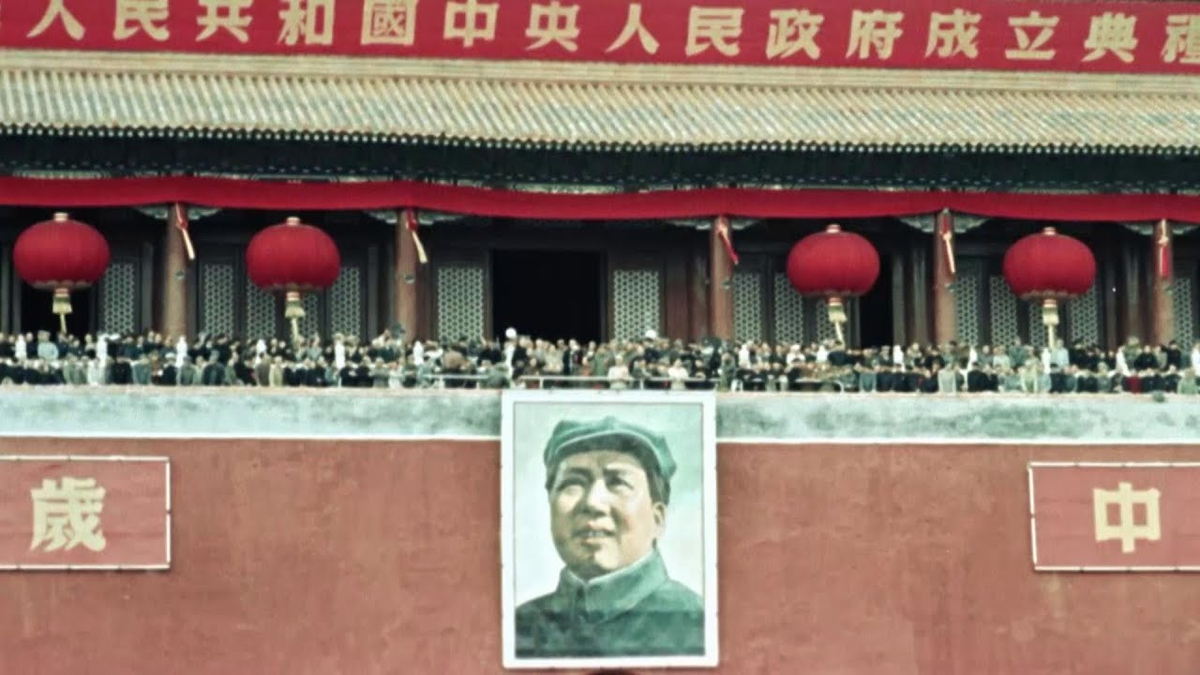
Founding of the People's Republic of China
Taiwan
Political Science
International Relations
4 min read
Updated By: History Editorial Network (HEN)
Published:
Updated:
The founding of the People's Republic of China marked a pivotal shift in the political landscape of the country. Following a prolonged civil war, the Chinese Communist Party emerged victorious over the Nationalist government, which subsequently retreated to Taiwan. This transition led to the establishment of a new government structure under communist ideology, fundamentally altering the governance and socio-economic policies in mainland China. The new regime aimed to consolidate power and implement reforms that would reshape the nation’s economy and society. The establishment of the P.R.C. was not only a significant event for China but also had far-reaching implications for global politics, particularly during the Cold War era, as it aligned with the Soviet Union against Western powers.
The impact of the founding of the P.R.C. was profound, as it initiated a series of reforms that transformed various sectors, including land redistribution and the nationalization of industries. The government focused on eradicating feudal practices and promoting collective farming, which aimed to increase agricultural productivity. The establishment of the P.R.C. also led to significant changes in foreign relations, as the new government sought to assert its sovereignty and gain recognition on the international stage. The shift in power dynamics resulted in the isolation of Taiwan, which continued to operate under the Nationalist government. The founding of the P.R.C. thus not only redefined China's internal structure but also influenced its interactions with other nations, setting the stage for future developments in both regional and global contexts.
#mooflife
#MomentOfLife
#People'sRepublicOfChina
#ChineseCommunistParty
#Taiwan
#ColdWar
#ChineseHistory

Explore the Life Moments of
 AI Twin