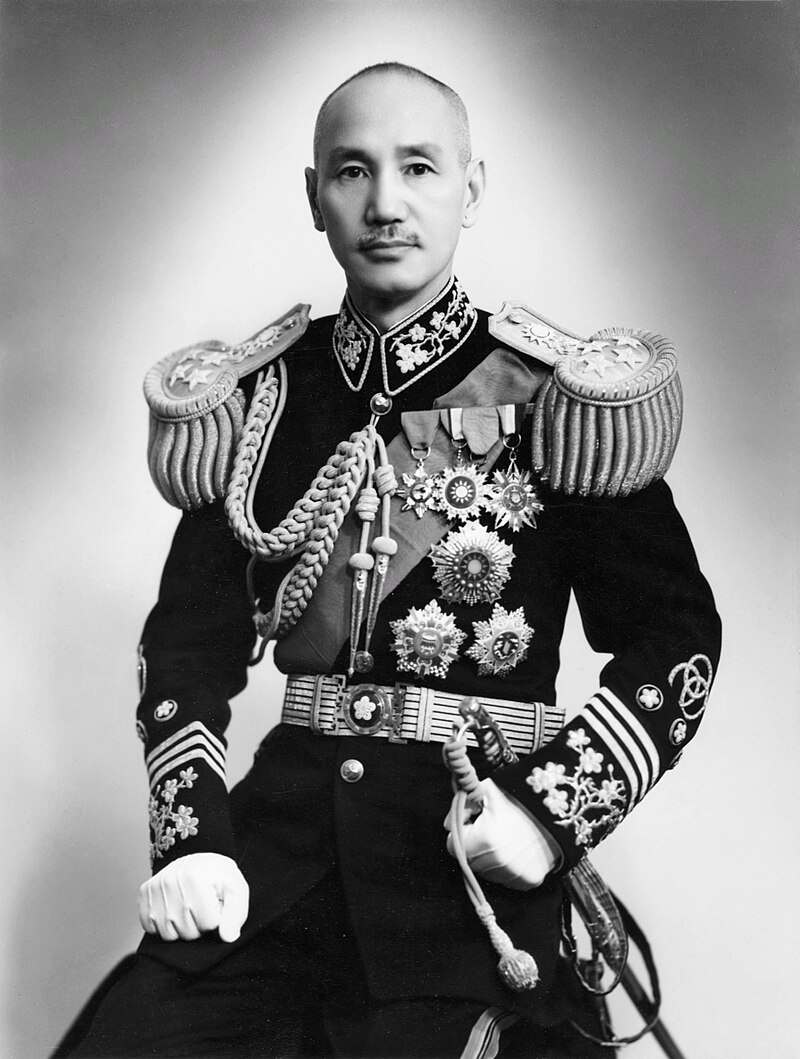
Chiang Kai-shek's Death
Taiwan
Historical Events
Political Leadership
Taiwan History
4 min read
Updated By: History Editorial Network (HEN)
Published:
Updated:
Chiang Kai-shek's death marked a pivotal transition in the leadership of the Republic of China. Following his passing, Yen Chia-kan assumed the presidency, taking over the responsibilities of the nation's highest office. This change in leadership was significant as it represented a shift in the political landscape of Taiwan, where the Kuomintang (KMT) had been the dominant party since the Chinese Civil War. Yen's presidency was characterized by efforts to stabilize the economy and maintain the KMT's grip on power amidst growing challenges. Meanwhile, Chiang Ching-kuo, Chiang Kai-shek's son, rose to prominence within the KMT and eventually succeeded his father in leadership roles, becoming president himself later on. This succession was crucial as it ensured continuity within the party and the government, allowing for a gradual transition of power that would influence Taiwan's political dynamics for years to come.
The impact of these leadership changes was profound, as they set the stage for Taiwan's future political developments. Under Yen's presidency, the government faced economic challenges, including inflation and the need for reforms. Chiang Ching-kuo's eventual presidency would further shape Taiwan's trajectory, leading to significant political and social changes, including the eventual democratization of the island. The leadership transition following Chiang Kai-shek's death not only affected the KMT's internal structure but also had lasting implications for Taiwan's relationship with mainland China and its international standing. The legacy of these leaders continues to influence Taiwan's political discourse and identity.
#mooflife
#MomentOfLife
#ChiangKai-shek
#YenChia-kan
#ChiangChing-kuo
#Kuomintang
#TaiwanPolitics

Explore the Life Moments of
 AI Twin