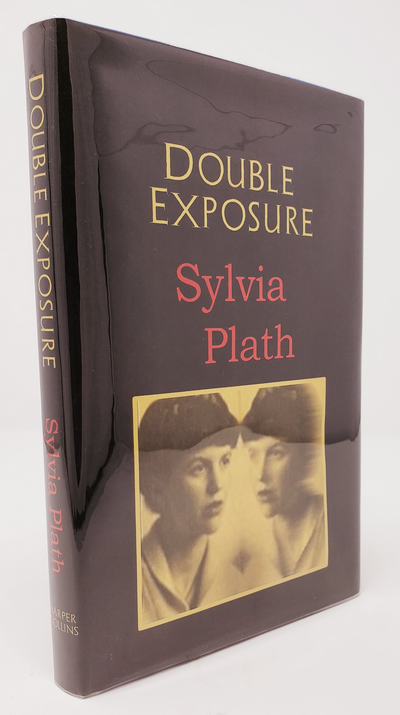
Unpublished Work: Double Exposure
23 Fitzroy Road, Primrose Hill, London, United Kingdom
Literature
6 min read
Updated By: History Editorial Network (HEN)
Published:
Updated:
Sylvia Plath’s Lost Novel “Double Exposure”: The Unpublished Manuscript Left Behind in London - 11-Feb-1963 (the novel remained unfinished at the time of Plath’s death; she began drafting it in 1962 and was still working on it into early 1963).
In the final months of her life, Sylvia Plath began drafting a second novel that is most often referred to as “Double Exposure” (sometimes mentioned as “Double Take/Doubletake”). Written in the shadow of her separation and an intensely difficult winter in London, the project is widely understood to have been semi-autobiographical in impulse, centering on a marriage strained by betrayal.
By early 1963 - shortly after The Bell Jar appeared in the UK - Plath’s new manuscript was still incomplete, but accounts describe her having produced a substantial typescript (often reported as around 130 pages). After her death, the work was never published, and the manuscript later became one of modern literature’s most discussed “missing” books. Conflicting recollections over how much existed and what happened to it have only deepened the mystery, turning Double Exposure into a symbol of both unfinished artistic momentum and the fragility of literary archives.
Even without public release, the existence of Double Exposure matters: it suggests Plath was actively pushing beyond The Bell Jar toward another long-form narrative—one that could have offered a sharply different window into her craft, voice, and evolving themes at the very end of her life.
In 1963, following the publication of her acclaimed novel The Bell Jar, Sylvia Plath embarked on a new literary project titled Double Exposure. This work, however, remained unpublished and has since become a subject of intrigue among literary scholars and fans of Plath's writing. Ted Hughes, Plath's husband, provided insights into the manuscript's status over the years. In 1979, he claimed that Plath had left behind a typescript of approximately 130 pages. However, by 1995, his recollection had changed, suggesting that the typescript was only about sixty to seventy pages long. Further commentary from Olwyn Hughes in 2003 indicated that the typescript might have included only the first two chapters and did not exceed sixty pages. The discrepancies in page counts highlight the elusive nature of Plath's unpublished works and the ongoing interest in her literary legacy. Despite the uncertainty surrounding Double Exposure, it remains a significant part of Plath's creative journey, reflecting her continued exploration of themes that permeated her earlier works.
#SylviaPlath #DoubleExposure #TheBellJar #UnpublishedWorks #LiteraryLegacy
#Sylvia-Plath
#Double-Exposure
Primary Reference
‘Double Exposure’: The mystery of Sylvia Plath’s missing novel

Explore the Life Moments of
 AI Twin