Sylvia Plath's Tragic End
United States of America
Literature
Biography
Poetry
3 min read
Updated By: History Editorial Network (HEN)
Published:
Updated:
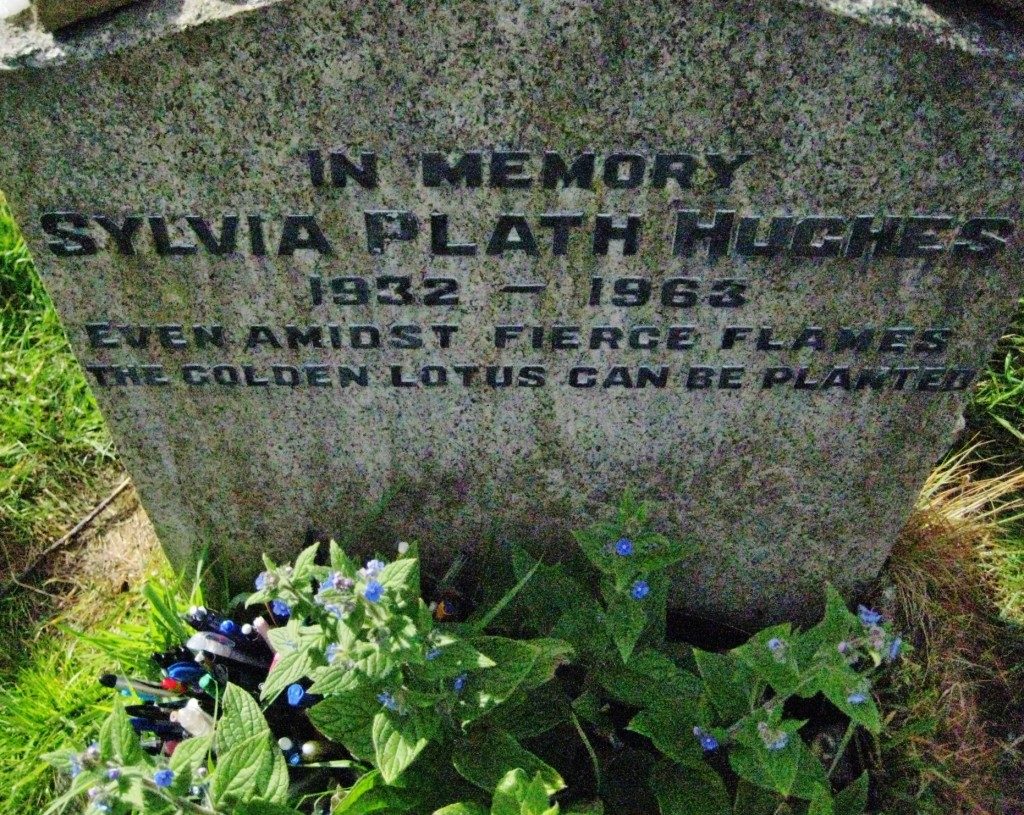
Sylvia Plath, one of the most influential poets of the 20th century, tragically ended her life on February 11, 1963, at the age of 30. Battling severe depression, she had previously attempted suicide multiple times, and her final days were marked by deep emotional turmoil. Living in London with her two young children after separating from her husband, fellow poet Ted Hughes, Plath was struggling with personal and professional pressures. Her mental health deteriorated despite medical treatment, and on that fateful morning, she sealed off her kitchen, placed towels around the doors to protect her children, and took her own life using a gas oven. Her death was a devastating loss to the literary world, leaving behind a legacy of haunting poetry and a life cut tragically short.
Plath's work, including Ariel and The Bell Jar, continues to resonate with readers, reflecting themes of mental illness, identity, and despair. Her poetry, filled with raw emotion and vivid imagery, has cemented her status as a literary icon. Even in death, her influence persists, sparking discussions on mental health, feminism, and the struggles of creative minds. Though her passing remains a dark chapter in literary history, her words live on, offering insight into the depths of human emotion and resilience.
#SylviaPlath #PoetryLegend #MentalHealthAwareness #MomentOfLife #MoofLife

Explore the Life Moments of
 AI Twin