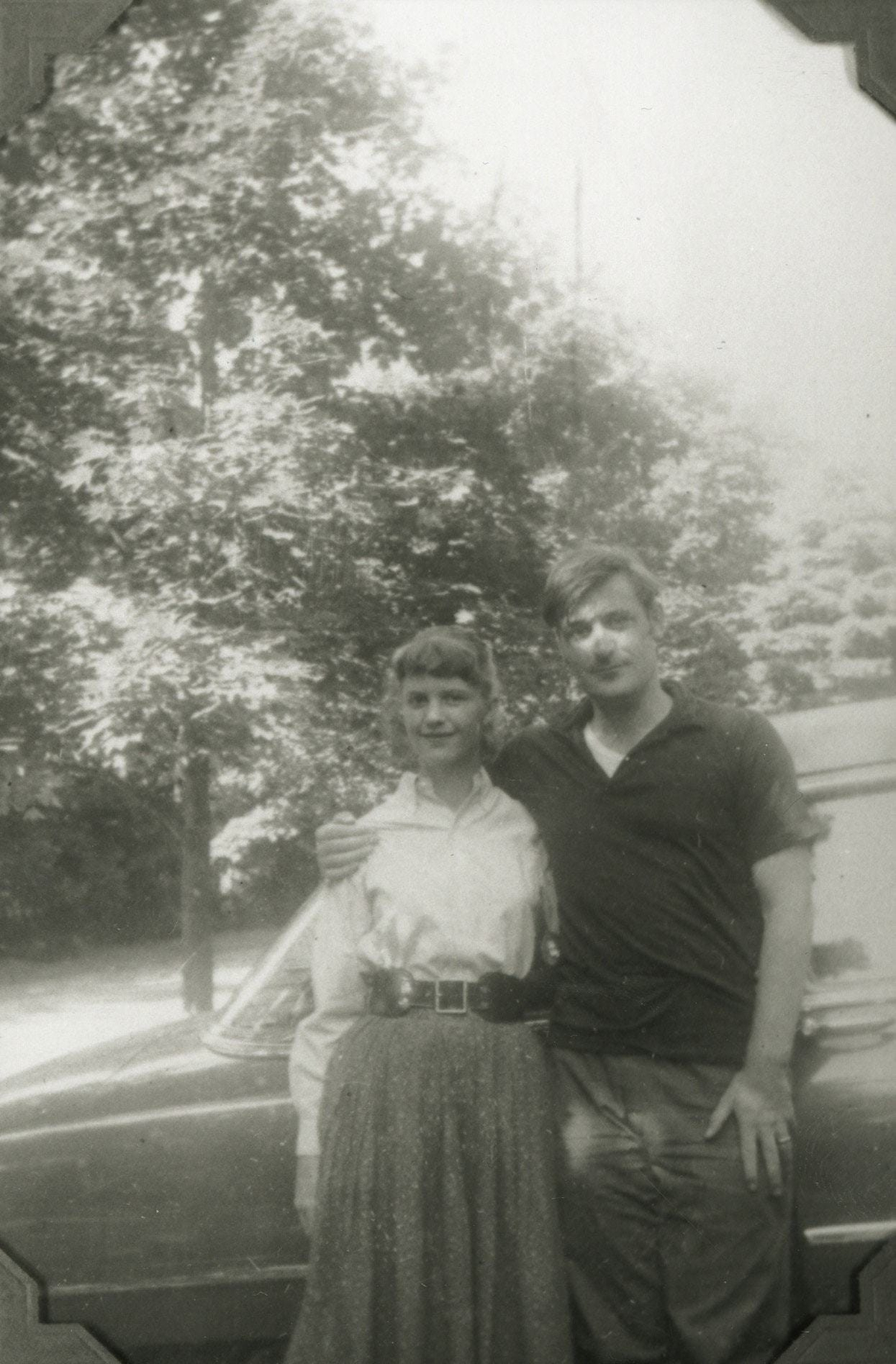
Summer in Yellowstone – 1959
United States of America
Yellowstone
FiftyNinthBear
5 min read
Updated By: History Editorial Network (HEN)
Published:
Updated:
In the summer of 1959, Sylvia Plath and her husband, Ted Hughes, embarked on an extensive road trip across the United States. Borrowing Plath’s mother’s 1953 Chevy sedan, the couple set out on a two-month journey that took them through the vast landscapes of America. Yellowstone National Park, their eighth stop, became one of the most significant locations on their itinerary. The park’s raw beauty, geothermal wonders, and untamed wildlife left an indelible mark on Plath, inspiring both her poetry and prose.
Arriving in Yellowstone on July 19, Plath and Hughes spent several days exploring the park. They marveled at the bubbling hot springs, erupting geysers, and sweeping vistas of wilderness that seemed both magnificent and menacing. Yellowstone’s untamed landscapes reflected the themes of power and destruction that would later emerge in Plath’s writing. She documented their experiences through photographs, capturing quiet moments of fishing and observing wildlife.
One of the most dramatic incidents of their visit occurred when a bear broke into their car during the night. The animal ransacked the vehicle, causing damage and stealing food. This encounter with nature’s unpredictability deeply affected Plath, later inspiring her short story The Fifty-Ninth Bear. The piece explores a couple’s fascination with bears, culminating in a tragic and unsettling climax. In it, Plath weaves themes of nature’s indifference, human vulnerability, and the tensions of romantic relationships—ideas that often surfaced in her poetry as well.
Yellowstone was more than just a scenic stop; it was a place where Plath confronted the sublime—the beauty and terror of nature. The park’s rugged landscapes, alongside her complex relationship with Hughes, fueled her creative mind. Her time in Yellowstone, along with the entirety of their road trip, contributed to the shaping of The Colossus and Other Poems (1960), her first published poetry collection.
This journey was also a period of deep personal reflection. As Plath navigated her role as both a poet and a wife, the vast, unyielding wilderness of Yellowstone seemed to mirror her inner struggles. The experience left her with a heightened awareness of nature’s relentless force—something that would later resonate in her most famous works.

Explore the Life Moments of
 AI Twin