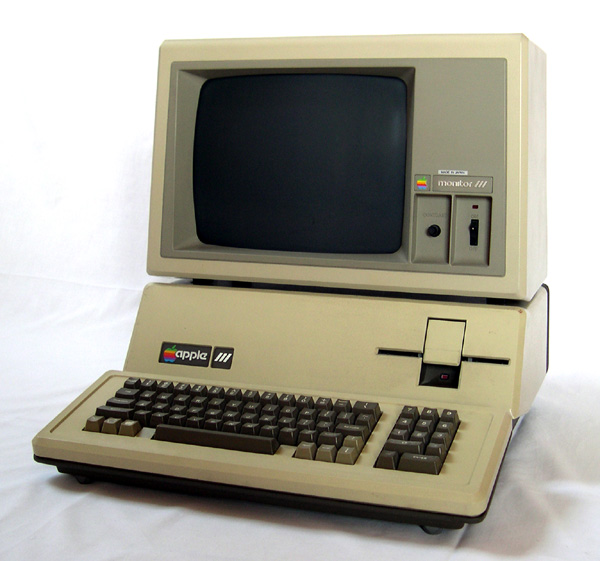
Apple III's Discontinuation and Commercial Failure
United States
4 min read
Updated By: History Editorial Network (HEN)
Published:
Updated:
The Apple III was introduced as the successor to the highly successful Apple II, aiming to capture a larger market share in the business computing sector. However, it quickly became evident that the Apple III was plagued by significant hardware issues, leading to its classification as a commercial failure. According to co-founder Steve Wozniak, the Apple III experienced a staggering rate of hardware failures, which he attributed to the design process being led by the marketing department rather than the engineering team. This shift in design philosophy marked a departure from Apple's previous projects, which had been primarily driven by engineering considerations. The Apple III's failure to meet consumer expectations and its technical shortcomings ultimately led to its discontinuation a few years after its launch.
The impact of the Apple III's failure was profound for Apple Inc. It not only resulted in financial losses but also affected the company's reputation in the competitive personal computer market. The failure highlighted the importance of engineering-led design in technology products, reinforcing the need for a balance between marketing and technical expertise. Following the discontinuation of the Apple III, Apple refocused its efforts on the Apple II line and later introduced the Macintosh, which would go on to become a cornerstone of the company's success. The lessons learned from the Apple III experience contributed to shaping Apple's future product development strategies, emphasizing the necessity of rigorous engineering standards and consumer feedback in the design process.
#mooflife
#MomentOfLife
#AppleIii
#CommercialFailure
#HardwareIssues
#SteveWozniak
#AppleInc.
Primary Reference
Today in Apple history: Apple introduces the doomed Apple III

Explore the Life Moments of
 AI Twin