First laser communication in space
Low Earth Orbit and Geostationary Orbit
Space Communication
Satellite Technology
Laser Technology
4 min read
Updated By: History Editorial Network (HEN)
Published:
Updated:
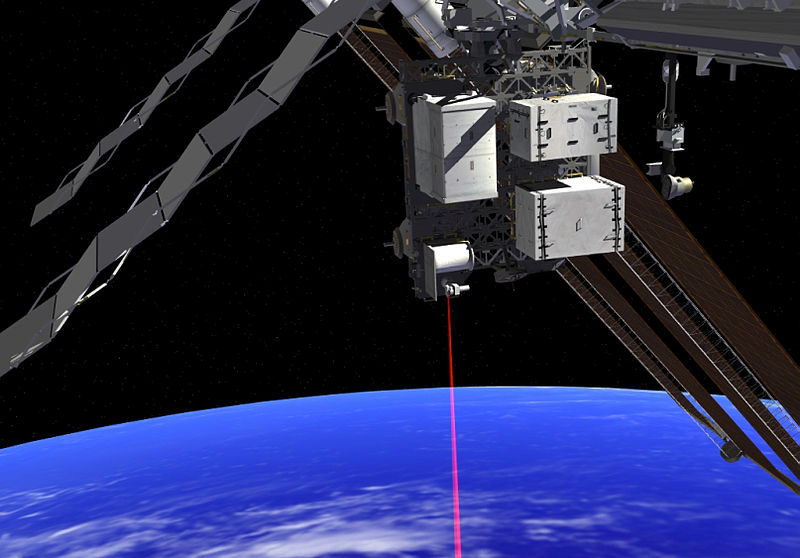
In November 2001, the European Space Agency achieved the first operational inter-satellite laser communication link in space between the Artemis geostationary satellite and the SPOT 4 Earth observation satellite in low Earth orbit. The connection used the Semiconductor Laser Inter-satellite Link Experiment system to transmit data via a tightly focused optical beam. During the demonstration, SPOT 4 transmitted Earth observation data to Artemis, which then relayed the information to ground stations. The link spanned a distance of roughly 40,000 kilometers between the two spacecraft.
The SILEX system operated at a data rate of about 50 megabits per second, significantly faster than traditional radio frequency relay systems available at the time. Because SPOT 4 moved rapidly in low Earth orbit, the optical terminals required precise pointing accuracy to maintain the laser connection with the geostationary Artemis satellite. Once locked, the system allowed near real time transmission of high resolution imagery without storing data onboard for later downlink.
The demonstration showed that laser communication could support high bandwidth data transfer between spacecraft while reducing latency and reliance on ground station visibility. By relaying SPOT 4 imagery through Artemis, the system enabled continuous coverage and faster delivery of Earth observation data. The November 2001 achievement marked the first successful operational use of optical inter-satellite communication and provided a foundation for later laser relay systems.
#mooflife
#MomentOfLife
#LaserCommunication
#SpaceTechnology
#Esa
#Cnes
#SatelliteCommunication
Primary Reference
Laser Communication Terminals Spark a Silent Revolution

Explore the Life Moments of
 AI Twin