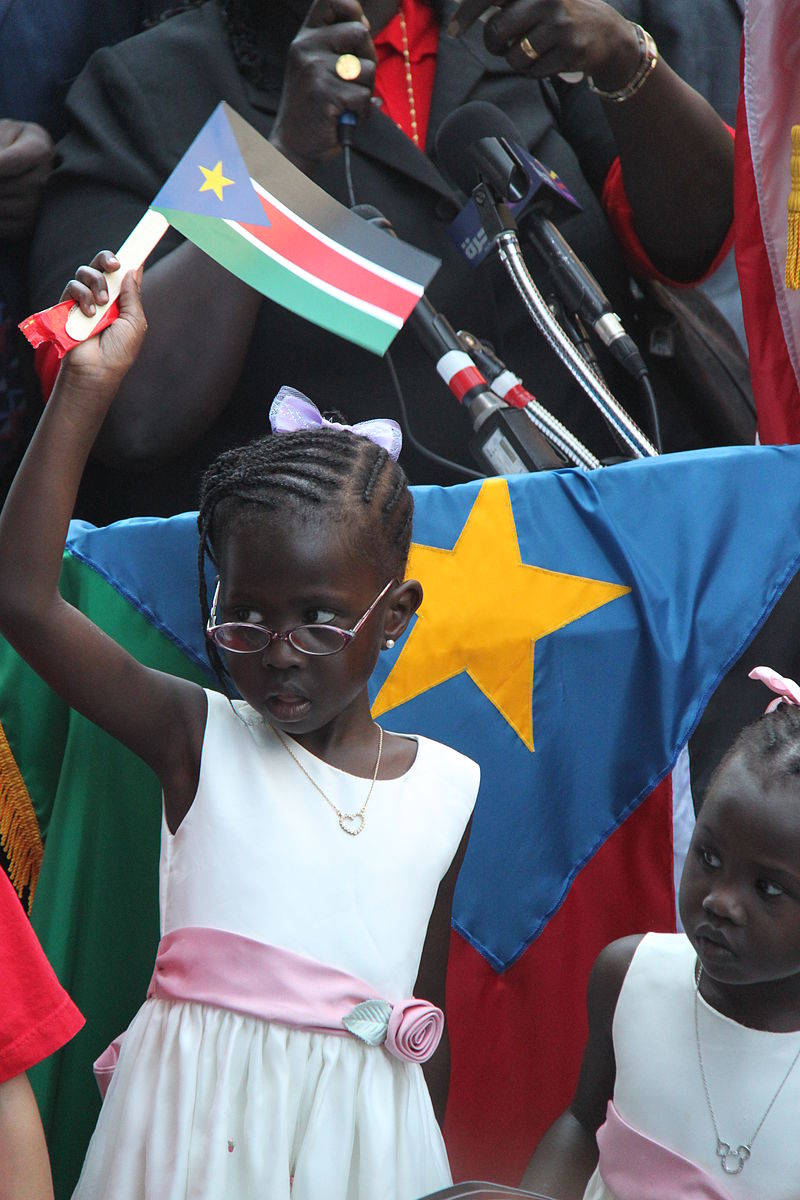
South Sudan's Independence: Decades of conflict led to new African nation's autonomy and challenges.
South Sudan
Political
4 min read
Updated By: History Editorial Network (HEN)
Published:
Updated:
South Sudan officially gained independence from Sudan, becoming the 54th independent country in Africa. The event marked the culmination of decades of conflict between the predominantly Arab Muslim north and the predominantly African Christian and animist south. The conflict, rooted in the colonial legacy and exacerbated by religious and cultural differences, led to two civil wars that spanned several decades and resulted in the deaths and displacement of millions.
A peace agreement, known as the Comprehensive Peace Agreement (CPA), was signed, which laid out a roadmap for autonomy for the south and a referendum on independence. In the referendum, an overwhelming majority, over 98% of Southern Sudanese, opted for independence.
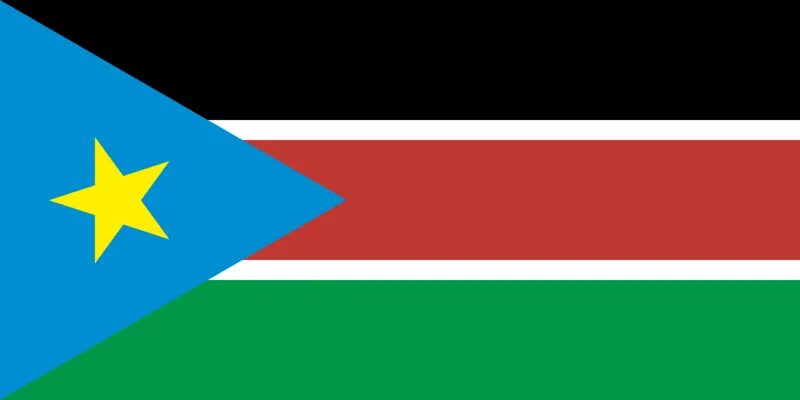
South Sudan's independence was celebrated with jubilation in the capital Juba and across the new nation. The event was attended by numerous international dignitaries and African leaders who witnessed the declaration of independence and the raising of the new national flag. The new country's challenges included underdeveloped infrastructure, internal ethnic conflicts, and economic dependence on oil, which led to tensions with Sudan over oil revenue sharing and border demarcation.
The international community pledged support for the new nation's development, with the United Nations deploying peacekeeping forces to help stabilize the region. Despite the optimism, South Sudan's journey as a sovereign state has been fraught with internal strife, governance issues, and humanitarian crises, impacting its development trajectory.
#SouthSudan #IndependenceDay #NewNation #PeaceBuilding #AfricanHistory #MoofLife
Primary Reference
South Sudan Overview: Development news, research, data | World ...
Explore the Life Moments of
 AI Twin