Sony's MiniDisc Revolutionizes Portable Music
Japan
Technology
Music
Innovation
4 min read
Updated By: History Editorial Network (HEN)
Published:
Updated:
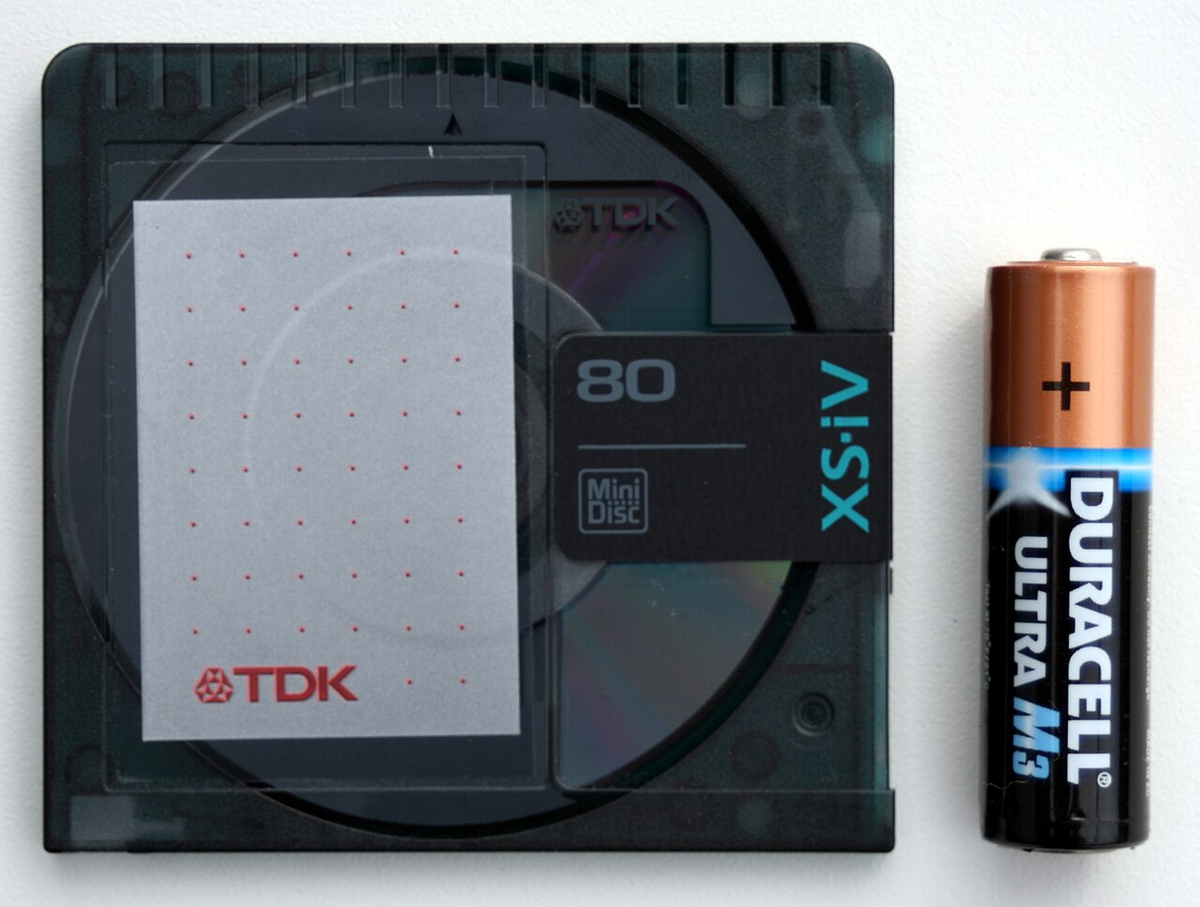
Sony introduced the MiniDisc format as a response to the evolving needs of portable music consumption. The MiniDisc was designed to be a more advanced alternative to the Digital Compact Cassette (DCC) developed by Philips, and it aimed to succeed the traditional Compact Cassette format that had dominated the market for decades. The MiniDisc offered several advantages, including a smaller physical size, the ability to record and erase tracks, and improved sound quality due to its digital encoding. This format was particularly appealing to consumers who sought a more versatile and portable solution for their music needs. The MiniDisc players were compact and lightweight, making them suitable for on-the-go listening, which was a significant factor in the growing popularity of portable music devices.
The impact of the MiniDisc was notable in the context of the music industry and consumer behavior. It provided a new way for users to enjoy music, allowing for easy management of playlists and the ability to create custom mixes. The MiniDisc format also supported various audio compression techniques, which helped to optimize storage capacity while maintaining sound quality. Despite its innovative features, the MiniDisc faced challenges in gaining widespread adoption, particularly with the rise of MP3 players and digital downloads that offered even greater convenience and storage capabilities. Nevertheless, the MiniDisc represented a pivotal moment in the evolution of portable music technology, influencing subsequent developments in audio formats and devices.
#mooflife
#MomentOfLife
#Minidisc
#Sony
#PortableMusic
#AudioTechnology
#MusicIndustry

Explore the Life Moments of
 AI Twin