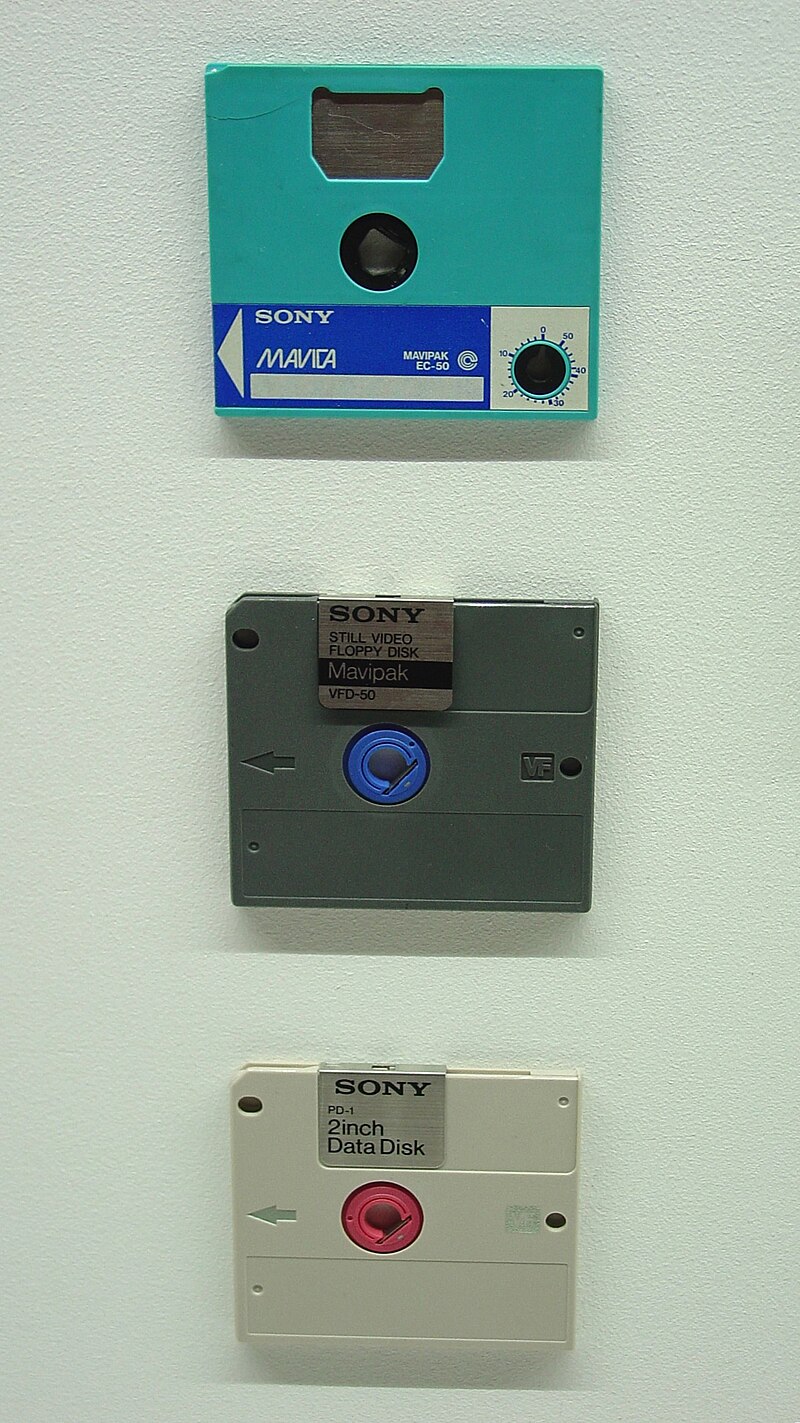
Sony introduced 3.5-inch floppy disks
Japan
Technology
History of Computing
Data Storage
3 min read
Updated By: History Editorial Network (HEN)
Published:
Updated:
Sony introduced the 3.5-inch floppy disk, also known as the 90 mm micro diskette, during a period when various floppy disk formats were in use, including the 4-inch and 5.25-inch disks. The introduction of the 3.5-inch disk was a response to the need for a more compact and reliable storage medium. This new format featured a hard plastic shell, which provided better protection for the magnetic disk inside compared to its predecessors. The 3.5-inch floppy disk quickly gained popularity due to its durability and ease of use, becoming the standard for data storage in personal computers and other devices. Its design allowed for a higher storage capacity, accommodating up to 1.44 MB of data, which was a significant improvement over earlier floppy disk formats. As a result, the 3.5-inch floppy disk became the dominant format in the market, widely adopted by manufacturers and consumers alike. Over time, however, advancements in technology led to the development of more efficient storage solutions, such as USB flash drives and cloud storage, which ultimately rendered the 3.5-inch floppy disk obsolete. The transition away from floppy disks marked a significant shift in data storage practices, reflecting the rapid evolution of technology and user needs in the digital age.
#mooflife
#MomentOfLife
#Sony
#3.5-inchFloppyDisk
#DataStorage
#TechnologyEvolution
#ComputerHistory
Primary Reference
Chapter12 Entering a Highly Competitive New Business Area

Explore the Life Moments of
 AI Twin