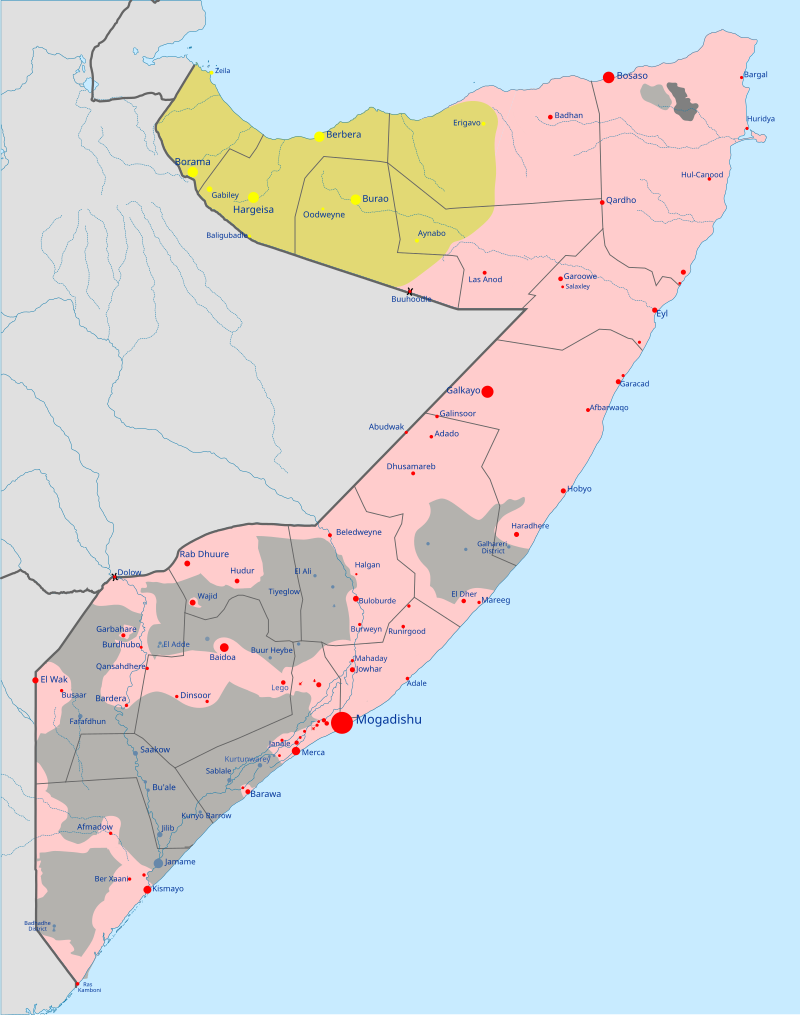
Start of the Civil War in Somalia
Somalia
Conflict Studies
Economic Impact
Somalia History
3 min read
Updated By: History Editorial Network (HEN)
Published:
Updated:
The civil war in Somalia initiated a period of profound economic disruption, particularly affecting the manufacturing sector. Prior to the conflict, Somalia had a relatively stable economy with state-owned manufacturing firms contributing significantly to its GDP. However, the onset of the war led to widespread destruction of these firms, resulting in a sharp decline in industrial output and employment opportunities. The conflict not only dismantled existing infrastructure but also created an environment of instability that hindered foreign investment and trade. As a consequence, the country faced a trade deficit of approximately $190 million annually, which was exacerbated by the loss of traditional export markets and the inability to maintain pre-war production levels.
Despite these challenges, remittances from the Somali diaspora have played a crucial role in the economy, estimated at around $1 billion per year. This influx of funds has provided a vital lifeline for many families and has helped to sustain local economies. Additionally, Somalia's strategic location near the Arabian Peninsula has allowed traders to adapt and find new opportunities in regional markets, gradually increasing their competitiveness. The resilience of the Somali people and their ability to navigate through economic adversity highlights the complex interplay between conflict and economic survival in the region.
#mooflife
#MomentOfLife
#Somalia
#CivilWar
#EconomicImpact
#ManufacturingSector
#Remittances

Explore the Life Moments of
 AI Twin