Warlord Harold Keke declares ceasefire in historic moment amid international peacekeeping deployment.

| Political | Global Trade |
Updated By: History Editorial Network (HEN)
Published: | Updated:
5 min read
Warlord Harold Keke, a central figure in the Solomon Islands' protracted conflict, declared a ceasefire in response to the impending deployment of an international peacekeeping force. This announcement marked a critical juncture in the nation's troubled history, characterized by severe internal strife and widespread violence.
The Solomon Islands, an archipelago in the South Pacific, had been embroiled in ethnic conflicts primarily between the indigenous Guadalcanal and the migrant Malaitan communities. The intensification of these hostilities led to the deterioration of law and order, the disintegration of governmental authority, and severe societal disruption.
Keke led the Guadalcanal Liberation Front (GLF), an armed group that played a significant role in the conflict, perpetrating numerous acts of violence and establishing a regime of fear within the regions they controlled. International attention grew as the humanitarian situation worsened. The international community, led by neighboring countries such as Australia and New Zealand, planned to send a peacekeeping force under the banner of the Regional Assistance Mission to Solomon Islands (RAMSI).
Faced with the looming prospect of military intervention and international scrutiny, Keke's decision to call for a ceasefire was a pivotal response. This move aimed to alleviate immediate military pressures and may have been a strategic maneuver to secure a negotiating position in the evolving geopolitical landscape.
The cessation of hostilities allowed for critical humanitarian assistance to reach affected populations and marked the beginning of a complex peace-building process. RAMSI's deployment proved instrumental in restoring stability, disarming militant groups, and rebuilding governmental institutions over subsequent years.
Key statistics include the involvement of around 2,200 troops and police from 15 countries in RAMSI and the significant financial contributions from the international community towards Solomon Islands' recovery.
Keke's ceasefire can be seen both as a response to external military pressure and a pivotal moment in the cessation of violence. This facilitated an environment where dialogue and rebuilding became possible, highlighting the prominent role of international peacekeeping efforts in conflict resolution.
#WARordKeke #Ceasefire #Peacekeeping #SolomonIslands #RAMSI #ConflictResolution #InternationalIntervention #MoofLife
Primary Reference: Australia's Interventions in Solomon Islands (Part IV) - The Good ...
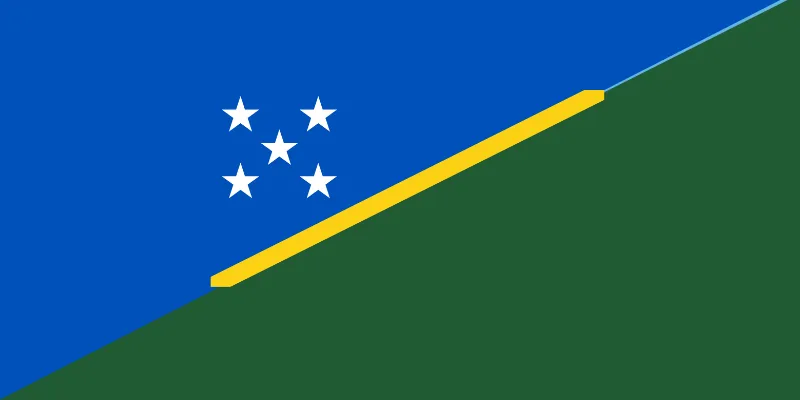
Explore the Life Moments of Solomon Islands |