Ceylon Becomes Republic of Sri Lanka
Sri Lanka
Politics
Religion
3 min read
Updated By: History Editorial Network (HEN)
Published:
Updated:
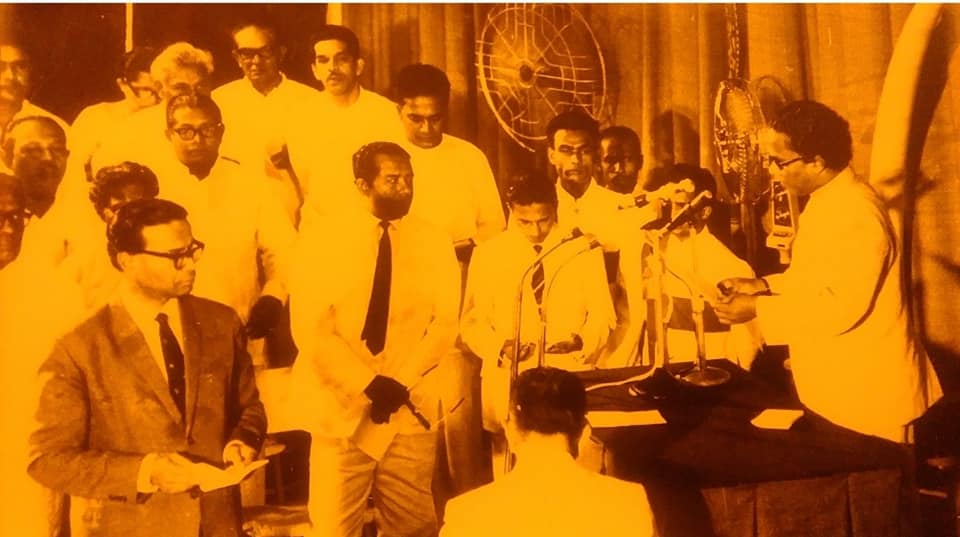
Ceylon transitioned to the Republic of Sri Lanka following the ratification of a new constitution. This change marked a significant shift in the governance structure of the nation, moving from a dominion status to a republic. The new constitution established Buddhism as the state religion while also ensuring equal protection for other religions, including Christianity, Hinduism, and Islam. This recognition of Buddhism's supremacy reflected the cultural and historical significance of the religion in Sri Lankan society. However, the emphasis on Buddhism also led to tensions, particularly among the Tamil population, as it was perceived to favor the Sinhalese majority. The government implemented policies that included the nationalization of various sectors such as banking, education, and media, which aimed to promote socialist principles. These changes were part of a broader agenda that sought to reshape the national identity and governance of the country, often at the expense of minority rights and interests. The shift in administrative language from English to Sinhala further fueled discontent among non-Sinhalese communities, particularly Tamils, who felt marginalized by the new policies and governance framework. The political landscape became increasingly polarized, with rising nationalism contributing to ethnic tensions that would have lasting implications for the country's stability and unity.
#mooflife
#MomentOfLife
#SriLanka
#Ceylon
#Republic
#Buddhism
#Nationalization

Explore the Life Moments of
 AI Twin