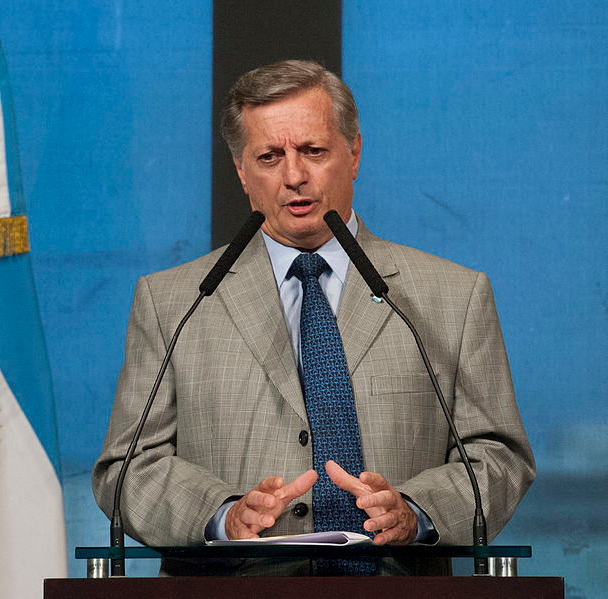
Paradise Papers Reveal Shell's Offshore Deals with Juan José Aranguren
United Kingdom
Finance
Politics
Energy
3 min read
Updated By: History Editorial Network (HEN)
Published:
Updated:
The release of the Paradise Papers uncovered a troubling intersection of corporate power and public office involving Argentine Energy Minister Juan José Aranguren. The documents revealed that Aranguren had managerial ties to two Shell offshore subsidiaries—Shell Western Supply and Trading Limited and Sol Antilles y Guianas Limited—raising serious concerns about conflicts of interest. These entities, while legally structured for international operations, became the center of public scrutiny when it was revealed that Shell Western was a leading bidder in Argentina’s government fuel procurement process through CAMMESA, the state entity overseeing the national electricity market. Aranguren’s dual role as a former Shell executive and energy minister sparked widespread debate over the ethical and legal boundaries between private enterprise and public service.
This case illustrates how offshore financial networks, often associated with tax optimization or regulatory avoidance, can blur the lines between corporate and governmental interests—especially when influential public figures are involved. While offshore entities are not inherently illegal, their opaque nature complicates efforts to ensure transparency and fairness in public procurement. The Paradise Papers revelations not only called into question Shell’s influence over Argentine energy policy, but also reignited global concerns about how offshore finance can undermine democratic accountability and public trust.
#mooflife
#MomentOfLife
#ParadisePapers
#Shell
#OffshoreCompanies
#JuanJoséAranguren
#EnergySector

Explore the Life Moments of
 AI Twin