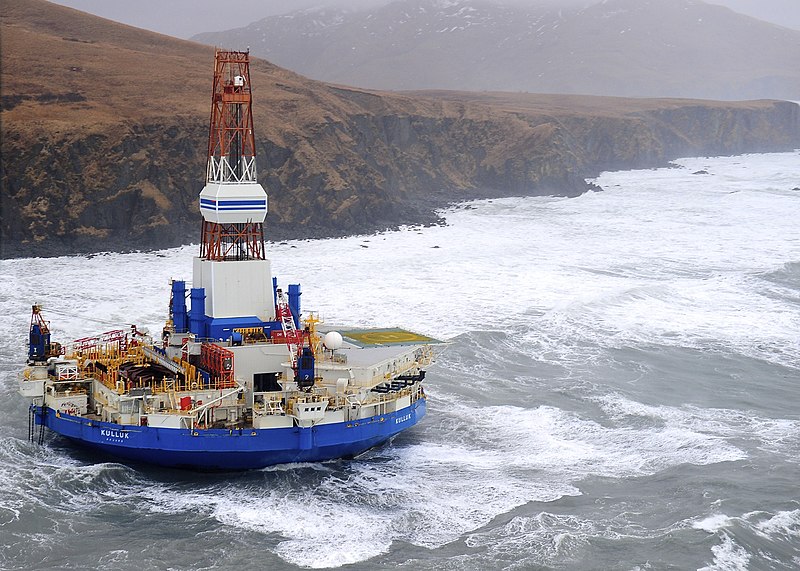
Kulluk Grounded Off Coast Rescue Efforts
United Kingdom
Rescue
Maritime
Accident
4 min read
Updated By: History Editorial Network (HEN)
Published:
Updated:
The grounding of Shell’s Kulluk oil rig off Sitkalidak Island near Kodiak, Alaska, during a severe winter storm in 2012, exposed critical flaws in the oil industry’s ability to manage offshore operations in extreme environments. Towing crews lost control amid high winds and rough seas, resulting in the rig running aground with over 150,000 gallons of fuel and drilling fluids on board. Though a major spill was narrowly avoided, the incident raised urgent questions about the adequacy of Shell’s safety protocols, risk assessments, and preparedness for operating in some of the world’s most volatile maritime conditions. It served as a sobering reminder that corporate ambition in the Arctic can outpace technological and logistical readiness—at the cost of both environmental safety and public trust.
The aftermath of the Kulluk grounding sparked regulatory investigations and led to a broader reevaluation of offshore drilling in the Arctic and other sensitive regions. Environmentalists, local communities, and policy-makers pointed to the disaster as evidence that oil companies are ill-equipped to handle emergencies in remote and ecologically fragile areas. The incident became emblematic of the risks inherent in pursuing fossil fuel extraction at the frontiers of human capability—where even routine operations can spiral into near catastrophe. As the world increasingly weighs the costs of fossil fuel dependency, the Kulluk episode stands as a stark example of what can go wrong when profit-driven exploration meets underprepared execution.
#mooflife
#MomentOfLife
#KullukOilRig
#SitkalidakIsland
#OffshoreDrilling
#MaritimeSafety
#EnvironmentalImpact

Explore the Life Moments of
 AI Twin