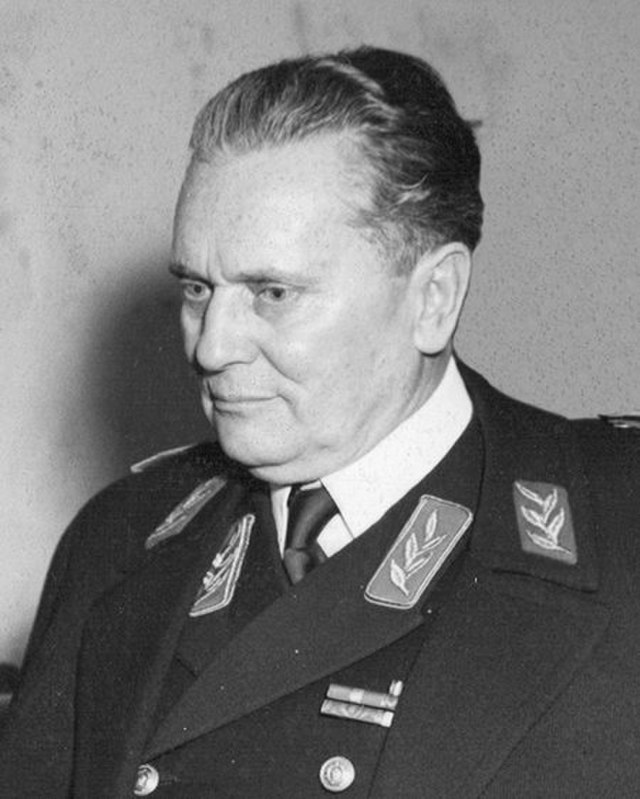
Impact of Tito's Death on Yugoslavia's Dissolution
Serbia

Political
Ethnic Conflict
5 min read
Updated By: History Editorial Network (HEN)
Published:
Josip Broz Tito's passing marked a pivotal moment in the history of Yugoslavia. Tito had been the central figure holding together the complex federation of six republics and two autonomous provinces since the end of World War II. His leadership, marked by a blend of socialist and market-oriented policies, earned Yugoslavia a notable position in the Non-Aligned Movement and set it apart from the Soviet-aligned Eastern Bloc. However, his rule also masked underlying ethnic tensions and an economy increasingly reliant on foreign debt.
Following Tito's death, the political structure of Yugoslavia began to show signs of strain. The federal system he designed, which included a rotating presidency among representatives from the republics, struggled to function without his unifying presence. Economically, the country faced rising unemployment, inflation, and a growing foreign debt crisis. Ethnic nationalism, particularly in Serbia and Croatia, began to gain traction as the different republics looked to assert their own identities and interests.
The lack of a strong, unifying leader like Tito allowed these nationalist movements to grow. Political leaders, most notably Slobodan Milošević in Serbia, started to exploit these sentiments to consolidate their power. In Serbia, nationalistic rhetoric was used to stir up grievances about the economic and political balance within the federation.
As ethnic and political conflicts intensified, various republics sought independence from the federation. Slovenia and Croatia were among the first to declare sovereignty, igniting a series of conflicts that would ultimately lead to the dissolution of Yugoslavia. The wars that followed were marked by significant human and economic costs, including widespread displacement and destruction.
The death of Josip Broz Tito thus set off a chain of events that fundamentally altered the political landscape of the Balkans. The eventual breakup of Yugoslavia was characterized by a series of wars and the emergence of several independent states, reshaping Southeast Europe in profound and lasting ways.
#DeathofTito #YugoslaviaBreakup #BalkanHistory #EthnicConflict #PostTito #MoofLife
Primary Reference
The Breakup of Yugoslavia, 1990–1992
Explore the Life Moments of
 AI Twin