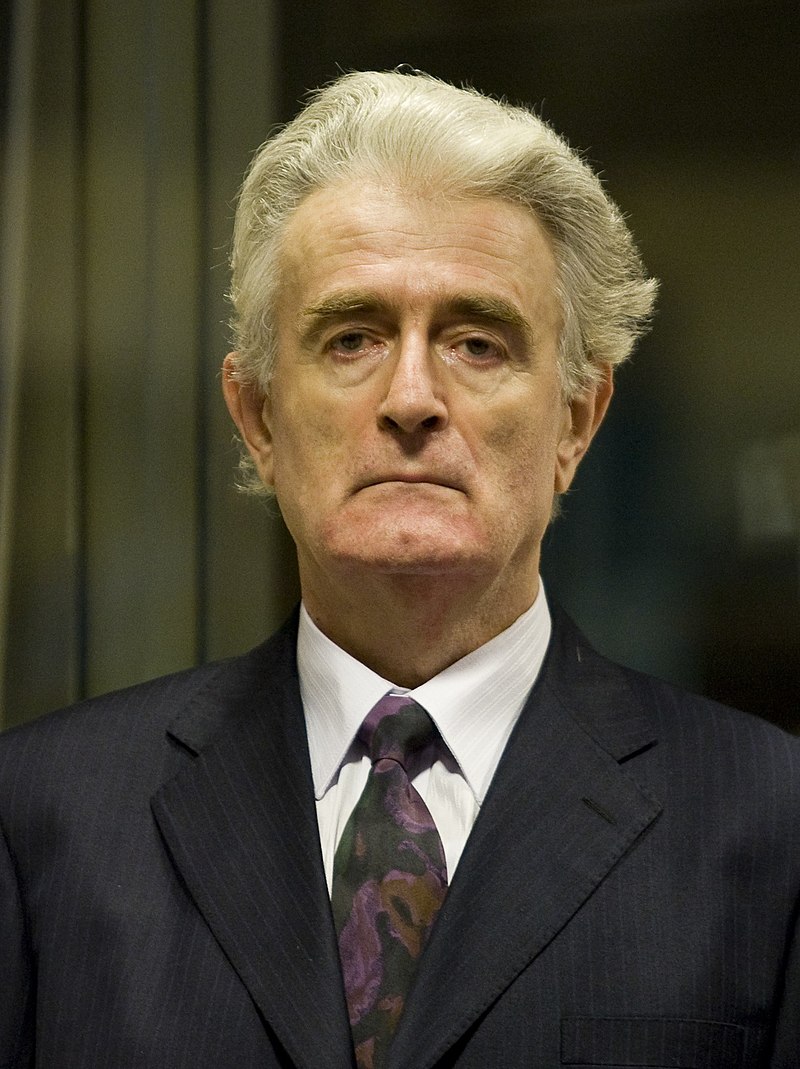
Arrest of former Bosnian leader Radovan Karadzic
Serbia
10 min read
Updated By: History Editorial Network (HEN)
Published:
On July 21, 2008, Radovan Karadžić, the former Bosnian Serb leader and one of the most wanted fugitives from the Balkan wars of the 1990s, was arrested in Serbia after more than a decade on the run. His arrest was a significant milestone in the pursuit of justice for the atrocities committed during the Bosnian War, particularly the genocide at Srebrenica, and marked a critical moment in Serbia's efforts to come to terms with its role in the conflicts that followed the breakup of Yugoslavia.
Background: The Bosnian War and Karadžić’s Role
Radovan Karadžić was a key political figure during the Bosnian War (1992-1995), which erupted after Bosnia and Herzegovina declared independence from the Socialist Federal Republic of Yugoslavia. As the President of the self-proclaimed Republika Srpska, the Serb-controlled entity in Bosnia and Herzegovina, Karadžić played a leading role in the Bosnian Serb campaign against Bosniak (Bosnian Muslim) and Croatian populations.
Under Karadžić's leadership, Bosnian Serb forces pursued a brutal strategy of ethnic cleansing, which included widespread massacres, forced deportations, and the establishment of concentration camps. The most infamous atrocity associated with Karadžić was the Srebrenica massacre in July 1995, where more than 8,000 Bosniak men and boys were systematically executed by Bosnian Serb forces in what has been recognized as an act of genocide by international courts.
In 1995, following the Dayton Accords that ended the Bosnian War, Karadžić was indicted by the International Criminal Tribunal for the former Yugoslavia (ICTY) on charges of genocide, war crimes, and crimes against humanity. However, he went into hiding, evading capture for over a decade.
The Arrest: July 21, 2008
Radovan Karadžić had been a fugitive for 13 years by the time of his arrest in 2008. During this period, he managed to avoid detection by adopting a false identity and living quietly in Belgrade, the capital of Serbia. He worked as a practitioner of alternative medicine under the alias Dragan Dabić, sporting a long beard and thick glasses, which drastically altered his appearance from his time as a political leader.
Karadžić's arrest was carried out by Serbian security forces, acting on a tip-off. The operation was part of Serbia's broader effort to cooperate with the ICTY and to improve its international standing, particularly as it sought closer ties with the European Union. The arrest was seen as a crucial step for Serbia in demonstrating its commitment to justice and accountability for war crimes.
International Reactions and Significance
The arrest of Radovan Karadžić was met with widespread international approval. For the victims of the Bosnian War, particularly the survivors of the Srebrenica massacre, his capture was a long-awaited moment of justice. It represented the possibility of holding one of the primary architects of the Bosnian genocide accountable for his actions.
The European Union, which had been pressuring Serbia to cooperate with the ICTY as a condition for closer integration, welcomed the arrest as a positive development in Serbia's path toward EU membership. The United States and other Western governments also praised Serbia's actions, recognizing the arrest as a significant step toward reconciliation in the Balkans.
Trial and Conviction
After his arrest, Karadžić was extradited to The Hague, where he stood trial before the ICTY. The trial, which began in 2009, was one of the most high-profile cases in the tribunal's history. Karadžić faced 11 charges, including genocide, crimes against humanity, and violations of the laws or customs of war.
In March 2016, after a lengthy and complex trial, the ICTY found Radovan Karadžić guilty of 10 of the 11 charges, including genocide for his role in the Srebrenica massacre, persecution, extermination, deportation, and other inhumane acts. He was sentenced to 40 years in prison. In 2019, the sentence was increased to life imprisonment upon appeal.
Legacy and Impact
The arrest and conviction of Radovan Karadžić stand as a landmark in international justice. His capture demonstrated that even the highest-ranking officials responsible for war crimes and genocide could eventually be brought to justice, no matter how long they evade the law. It also reinforced the role of international tribunals in addressing crimes that transcend national borders.
For Serbia, Karadžić’s arrest was a crucial step in its ongoing reconciliation process and its efforts to distance itself from the atrocities committed during the Yugoslav wars. The arrest and subsequent trials of other war criminals, including Slobodan Milošević and Ratko Mladić, have been part of Serbia's broader attempt to confront its past and move toward integration with the European community.
#MomentsOfLife #MoofLife_Moment #MoofLife #RadovanKaradzic #WarCrimes #InternationalJustice #BosnianWar #Srebrenica #Serbia #ICTY
Primary Reference
21 July 2008: The arrest of Radovan Karadžić
Explore the Life Moments of
 AI Twin