Senghor Retires and Transfers Power to Abdou Diouf
Senegal

Politics
Leadership
3 min read
Updated By: History Editorial Network (HEN)
Published:
Updated:
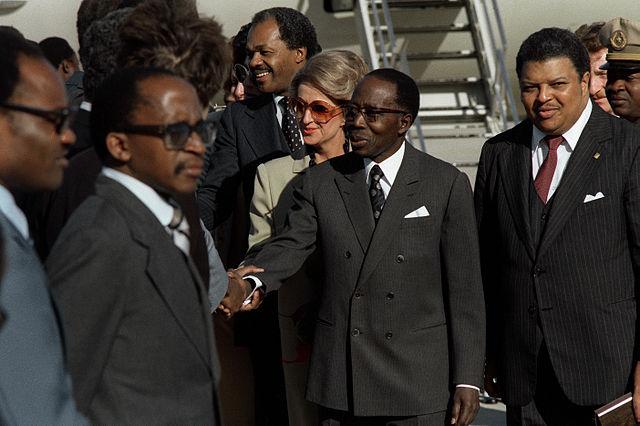
In 1980, Léopold Sédar Senghor, the first president of Senegal, made the significant decision to retire from politics, marking the end of an era in Senegalese leadership. In 1981, he transferred power to his chosen successor, Abdou Diouf, who had previously served as prime minister under Senghor. This transition was notable as it demonstrated Senghor's commitment to a peaceful and democratic transfer of power, a rarity in many African nations at the time. In the subsequent 1983 elections, former prime minister Mamadou Dia, who had been Senghor's political rival, contested against Diouf but was unsuccessful. Senghor's retirement and the subsequent election of Diouf laid the groundwork for a stable political environment in Senegal, which has been characterized by democratic governance. After his retirement, Senghor relocated to France, where he continued to engage in literary and cultural pursuits until his passing at the age of 95. His legacy remains influential in Senegal and beyond, as he is remembered for his contributions to African identity and post-colonial thought.
#mooflife
#MomentOfLife
#Senghor
#AbdouDiouf
#SenegalPolitics
#AfricanLeadership
#DemocraticTransition
Explore the Life Moments of
 AI Twin