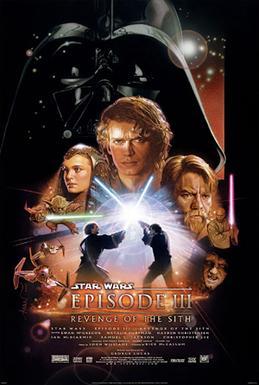
Star Wars: Episode III – Revenge of the Sith
Film
Entertainment
Science Fiction
4 min read
Updated By: History Editorial Network (HEN)
Published:
Updated:
The completion of the Star Wars saga marked a pivotal moment in cinematic history, culminating with the release of Star Wars: Episode III – Revenge of the Sith. This film served as the final chapter of the prequel trilogy, which began with The Phantom Menace and continued with Attack of the Clones. The narrative arc of Revenge of the Sith focused on the transformation of Anakin Skywalker into Darth Vader, exploring themes of power, betrayal, and the consequences of choices. The film was notable for its darker tone compared to its predecessors, reflecting the complexities of the characters and the overarching conflict between the Jedi and the Sith. The completion of the saga was initially perceived as a conclusion to the Star Wars narrative, although the franchise would later expand with additional films, series, and spin-offs, further enriching the universe created by George Lucas.
The impact of the Star Wars saga on popular culture and the film industry is profound. The franchise has generated billions in revenue through box office sales, merchandise, and licensing. Star Wars has influenced countless filmmakers and has become a benchmark for science fiction and fantasy storytelling. The saga's themes resonate with audiences, addressing universal concepts such as good versus evil, redemption, and the hero's journey. The completion of the saga with Revenge of the Sith also reignited discussions about the role of science fiction in political commentary, as the genre often reflects societal issues and moral dilemmas. The legacy of Star Wars continues to thrive, with a dedicated fan base and ongoing expansions of the universe, ensuring its place in cinematic history.
#mooflife
#MomentOfLife
#StarWars
#RevengeOfTheSith
#FilmHistory
#Sci-fi
#GeorgeLucas

Explore the Life Moments of
 AI Twin