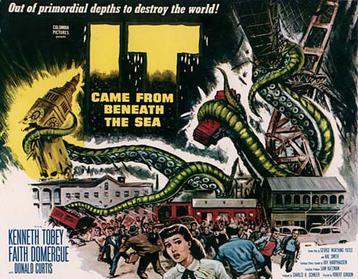
It Came from Beneath the Sea
Science Fiction
Film History
Special Effects
4 min read
Updated By: History Editorial Network (HEN)
Published:
Updated:
It Came from Beneath the Sea is a notable science fiction film that emerged during a period marked by significant advancements in special effects technology. The film is particularly recognized for its use of stop-motion animation, a technique that was pioneered by Ray Harryhausen, who was a protégé of the renowned animator Willis O'Brien, famous for his work on King Kong. Harryhausen's innovative approach to stop-motion allowed for the creation of lifelike creatures and dynamic action sequences, which were groundbreaking for the genre at the time. The film's narrative revolves around a giant octopus that emerges from the depths of the ocean, posing a threat to humanity. This premise tapped into the era's fascination with the unknown and the potential dangers lurking in the natural world, reflecting broader societal anxieties about nuclear power and environmental changes.
The impact of It Came from Beneath the Sea extended beyond its immediate box office success. It contributed to the evolution of science fiction cinema, showcasing how special effects could enhance storytelling and engage audiences. The film's visual effects were pivotal in establishing Harryhausen as a leading figure in the industry, influencing future filmmakers and animators. The use of stop-motion animation in this film set a precedent for subsequent science fiction and fantasy films, demonstrating the potential of practical effects in creating immersive cinematic experiences. As a result, It Came from Beneath the Sea remains a significant reference point in the history of special effects and science fiction filmmaking, illustrating the genre's capacity to reflect cultural fears and technological advancements.
#mooflife
#MomentOfLife
#ItCameFromBeneathTheSea
#RayHarryhausen
#ScienceFictionFilm
#Stop-motionAnimation
#SpecialEffects

Explore the Life Moments of
 AI Twin