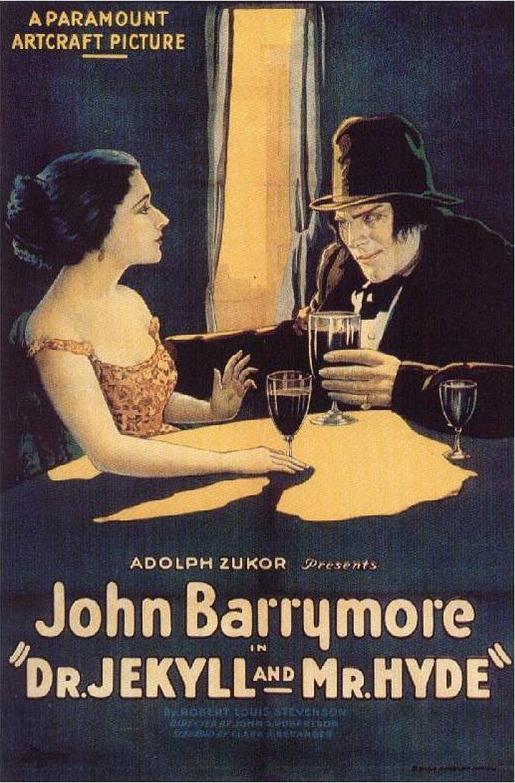
Dr. Jekyll and Mr. Hyde
Literature
Science Fiction
Horror
3 min read
Updated By: History Editorial Network (HEN)
Published:
Updated:
The release of 'Dr. Jekyll and Mr. Hyde' marked a notable entry in the film adaptation of Robert Louis Stevenson's psychological tale. This narrative explores the duality of human nature through the character of Dr. Jekyll, a respected scientist who creates a potion that transforms him into Mr. Hyde, a manifestation of his darker impulses. The film is significant for its early representation of the horror genre intertwined with elements of science fiction, reflecting societal anxieties about morality, identity, and the consequences of scientific experimentation. The story has been adapted numerous times across various media, but this particular film adaptation stands out for its innovative approach to visual storytelling and character development.
The impact of 'Dr. Jekyll and Mr. Hyde' extends beyond its initial release, influencing subsequent horror films and literature. The themes of duality and the struggle between good and evil resonate with audiences, prompting discussions about the nature of humanity. The film's exploration of psychological conflict has been analyzed in various academic contexts, highlighting its relevance in understanding human behavior. Additionally, the character of Mr. Hyde has become an archetype in popular culture, symbolizing the darker aspects of human nature. The film's legacy continues to inspire filmmakers and writers, demonstrating the enduring power of Stevenson's original narrative.
#mooflife
#MomentOfLife
#Dr.JekyllAndMr.Hyde
#RobertLouisStevenson
#HorrorFilm
#PsychologicalThriller
#ScienceFiction

Explore the Life Moments of
 AI Twin