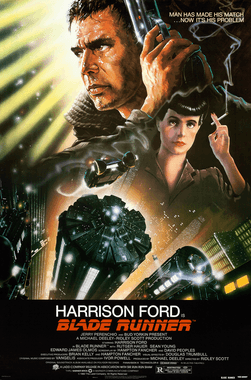
Blade Runner (1982)
Film
Science Fiction
Analysis
3 min read
Updated By: History Editorial Network (HEN)
Published:
Updated:
Classic science fiction films have often explored dystopian futures, reflecting societal anxieties and technological fears. Ridley Scott's 'Blade Runner' is a prime example, presenting a future characterized by darkness, chaos, and moral ambiguity. The film portrays a world where androids, known as replicants, are created to serve humans but are ultimately depicted as dangerous and hostile. This narrative taps into fears surrounding artificial intelligence and the ethical implications of creating life. The film's visual style, marked by neon lights and urban decay, further emphasizes the bleakness of this future, resonating with audiences and influencing the genre significantly.
Similarly, other films from this era, such as 'Alien' and James Cameron's 'The Terminator', also depict futures fraught with danger and uncertainty. These films often feature hostile alien life forms or advanced technologies that threaten human existence, reinforcing the notion that progress may lead to peril rather than utopia. The recurring themes of chaos and danger in these narratives serve as a cautionary tale about the potential consequences of unchecked technological advancement and the moral dilemmas that arise from it. The impact of these films extends beyond entertainment, prompting discussions about the relationship between humanity and technology, and the ethical considerations that accompany innovation.
#mooflife
#MomentOfLife
#Sci-fiFilms
#DystopianFutures
#BladeRunner
#ArtificialIntelligence
#CautionaryTales

Explore the Life Moments of
 AI Twin