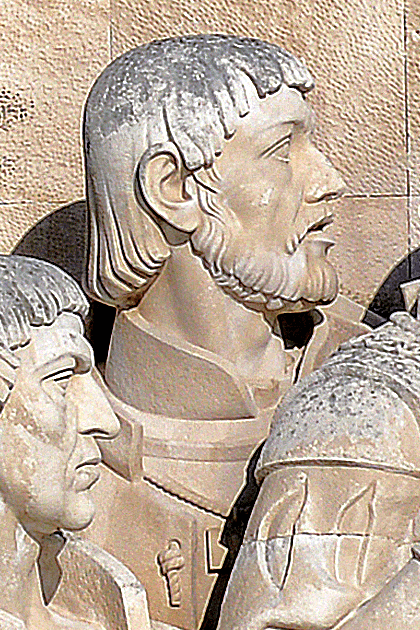
João de Santarém and Pêro Escobar Discover São Tomé
São Tomé and Príncipe
Exploration
3 min read
Updated By: History Editorial Network (HEN)
Published:
Updated:
João de Santarém and Pêro Escobar were among the cohort of Portuguese explorers dispatched by Prince Henry the Navigator. Their mission aimed at advancing maritime exploration along Africa’s west coast. During one of their voyages, they sighted an uninhabited island situated in the Gulf of Guinea. The discovery occurred on the feast day of Saint Thomas, leading them to name the island São Tomé.
The identification of São Tomé marked a strategic addition in the Portuguese exploration narrative, influencing transatlantic navigation and trade routes. The island's location provided a crucial maritime stopover for ships engaged in the spice and slave trades. This discovery was part of the larger Portuguese endeavor to explore the African coast, seeking new territories and establishing their presence, leading to significant geopolitical and economic developments.
Factual context about the exploration: Portuguese exploration efforts in the 15th century were driven by a combination of economic, religious, and scientific motives. Advances in navigational technology and knowledge were instrumental in their voyages.
The discovery of São Tomé also laid groundwork for future colonization efforts, which began in earnest in the late 1400s. São Tomé would become integral to the Atlantic Slave Trade, acting as a plantation economy hub for sugar production.
#ExplorationHistory #MaritimeNavigation #SãoTomé #PortugueseDiscoveries #MoofLife

Explore the Life Moments of
 AI Twin